Key Takeaway
- Wait 10–14 days after nanoplasty before colouring your hair for the best results.
- Avoid colouring within the first few days, as it may affect smoothness and shine.
- Semi-permanent colours are usually gentler than strong permanent dyes.
- Bleaching should be delayed longer because it can put extra stress on treated hair.
- Sulphate-free products and deep conditioning help maintain both colour and nanoplasty results.
- If possible, colour your hair before nanoplasty for better overall outcomes.
Introduction
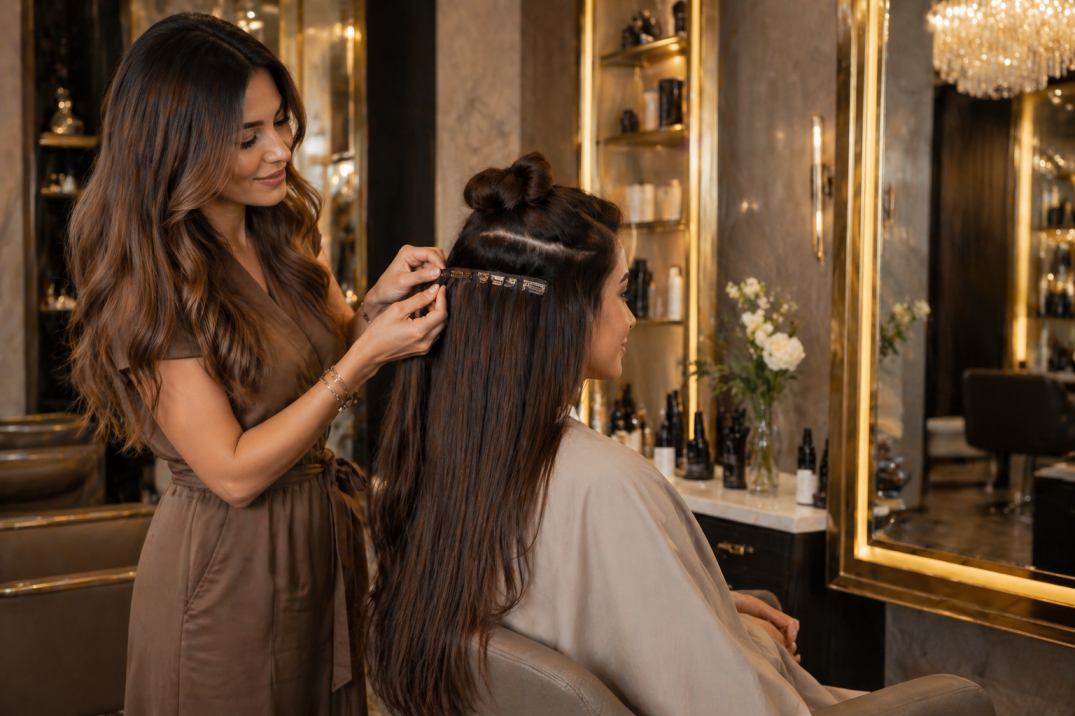
Freshly treated nanoplasty hair has a distinct feel. You touch it once, then again, to make sure it is really that soft. The frizz is gone, the strands feel lighter, and suddenly hair care seems much easier. That excitement often leads to the next idea.
It happened with someone I know. She had spent years trying different products for dry, unruly hair and finally decided to get nanoplasty. The transformation was exactly what she hoped for. A few days later, she wanted caramel highlights and started searching for answers. The truth is, colouring after nanoplasty is possible. The challenge is knowing when to do it. Move too quickly, and you risk affecting the smooth finish you just paid for. Wait the right amount of time, and you can enjoy both colour and sleek hair without compromising either result. In this guide, we will go through the ideal colouring timeline, common mistakes people make, and simple ways to protect your hair afterwards.
Hair Colouring Timeline After Nanoplasty
➜ First 3 Days: Leave Your Hair Alone
The first few days after nanoplasty are important. Hair is still adjusting and locking in the treatment benefits.
Adding colour during this stage can interfere with the smoothing effect. Your hair may lose some softness, and colour absorption can become uneven.
If you just had nanoplasty done, avoid:
- Permanent dyes
- Bleach treatments
- Toners
- High-ammonia colour formulas
Think of this stage as recovery time.
➜ After 1 Week: Proceed Carefully
At the seven-day mark, many people assume it is safe to colour immediately. Technically, you can, but it is not always ideal.
Hair may still be sensitive depending on:
- Hair texture
- Previous chemical history
- Amount of heat used during treatment
- Hair condition before nanoplasty
Semi-permanent colours are usually gentler if you cannot wait longer.
➜ Best Window: 10–14 Days
This is generally the safest period.
By now, the treatment has settled better, and hair is more stable for colour application. Most stylists recommend this timeline because it reduces the chance of:
- Fading smoothness
- Patchy colour results
- Dry ends
- Excess stress on hair strands
If you plan both services, many experts actually suggest colour first, nanoplasty second.
➜ What About Bleaching?
Bleach changes everything.
If you are planning balayage, highlights, platinum tones, or heavy lifting, wait longer. Around 2–3 weeks is often safer.
Bleach is stronger and can weaken freshly treated hair quickly.
Mistakes to Avoid When Colouring Hair After Nanoplasty
Getting nanoplasty done often feels like the final step toward smoother, healthier-looking hair. But for many people, the next thought is adding a fresh colour, highlights, or a complete hair makeover. While that sounds exciting, rushing the process can affect both the treatment and your hair condition.
👉 Here are some common mistakes worth avoiding.
1️⃣ Colouring Hair Too Soon After Nanoplasty
Patience matters more than most people realise. Colouring your hair immediately after nanoplasty may interfere with the treatment before it fully settles. The result could be reduced shine, uneven colour payoff, or hair that loses its silky finish earlier than expected. Giving your hair enough time helps protect both the colour and the smoothing effect.
2️⃣ Using Strong Chemical-Based Hair Colours
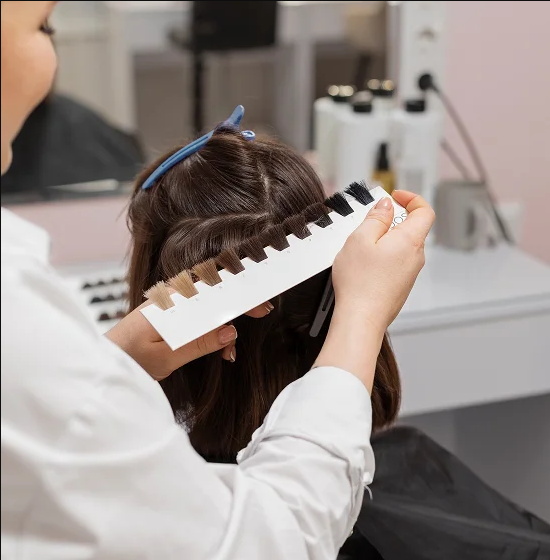
Not every hair dye works well on freshly treated hair. High-ammonia products or harsh formulas can place extra stress on strands that have already gone through a treatment process. Choosing gentler colour options and salon-quality products is usually a safer approach, especially if you want your nanoplasty results to last longer.
3️⃣ Bleaching Without Checking Hair Condition
Bleaching is one of the biggest mistakes people make after nanoplasty. Hair may look smooth and healthy on the surface, but that does not always mean it is ready for another intensive process. Bleach can weaken strands, increase dryness, and sometimes lead to breakage if applied too early. A professional assessment is always worth it before moving ahead.
4️⃣ Overlooking Previous Hair Treatments and Damage
Nanoplasty is only one part of your hair story. Think about everything your hair has experienced before this treatment. Previous bleaching sessions, box dyes, keratin treatments, rebonding, or smoothening procedures all affect how hair reacts to colour. Ignoring this history can increase the risk of uneven results and unwanted damage.
5️⃣ Skipping Proper Hair Care After Colouring
Many people spend time and money on salon services but forget the importance of maintenance afterwards. Once nanoplasty and colour are done, aftercare becomes essential. Without the right routine, colour may fade faster, smoothness can reduce, and hair may start feeling dry. Sulphate-free products, deep conditioning, and gentle styling habits help preserve the results for longer.
6️⃣ Doing Too Many Hair Processes Together
Trying to fit nanoplasty, colouring, highlights, and bleaching into a short period might seem convenient, but hair usually needs recovery time. Too many chemical processes at once can overwhelm the strands and affect overall hair quality. Spacing treatments properly gives better long-term results and keeps hair looking healthier.
How To Protect Nanoplasty Results After Hair Colouring
➡️ Switch to Sulphate-Free Products
Sulphates can strip both colour and treatment effects.
Choose shampoos labelled:
- Sulphate-free
- Colour-safe
- Moisture balancing
This simple change helps preserve shine longer.
➡️ Add Weekly Deep Conditioning
Coloured hair plus nanoplasty means your strands need extra hydration. Use a mask once or twice a week.
Look for ingredients such as:
- Argan oil
- Keratin proteins
- Shea butter
- Coconut extracts
Hydration keeps hair soft instead of stiff.
➡️ Limit Heat Styling
It sounds ironic because nanoplasty leaves hair smooth enough to skip straighteners. Keep it that way. Too much heat after colouring may increase dryness. Use heat protection whenever styling tools are involved.
➡️ Protect Hair From Sun Exposure
People often forget this one. Sunlight can fade colour and affect softness over time. A scarf, hat, or UV-protecting spray helps more than most people realise.
➡️ Schedule Maintenance Trims
Tiny trims prevent split ends from travelling upward. Even half an inch every few months keeps treated hair looking healthier.
Final Thought
Nanoplasty is not just another salon appointment. For many people, it is the moment they finally feel comfortable with their hair again. That is why rushing into colour immediately afterwards is rarely worth it.
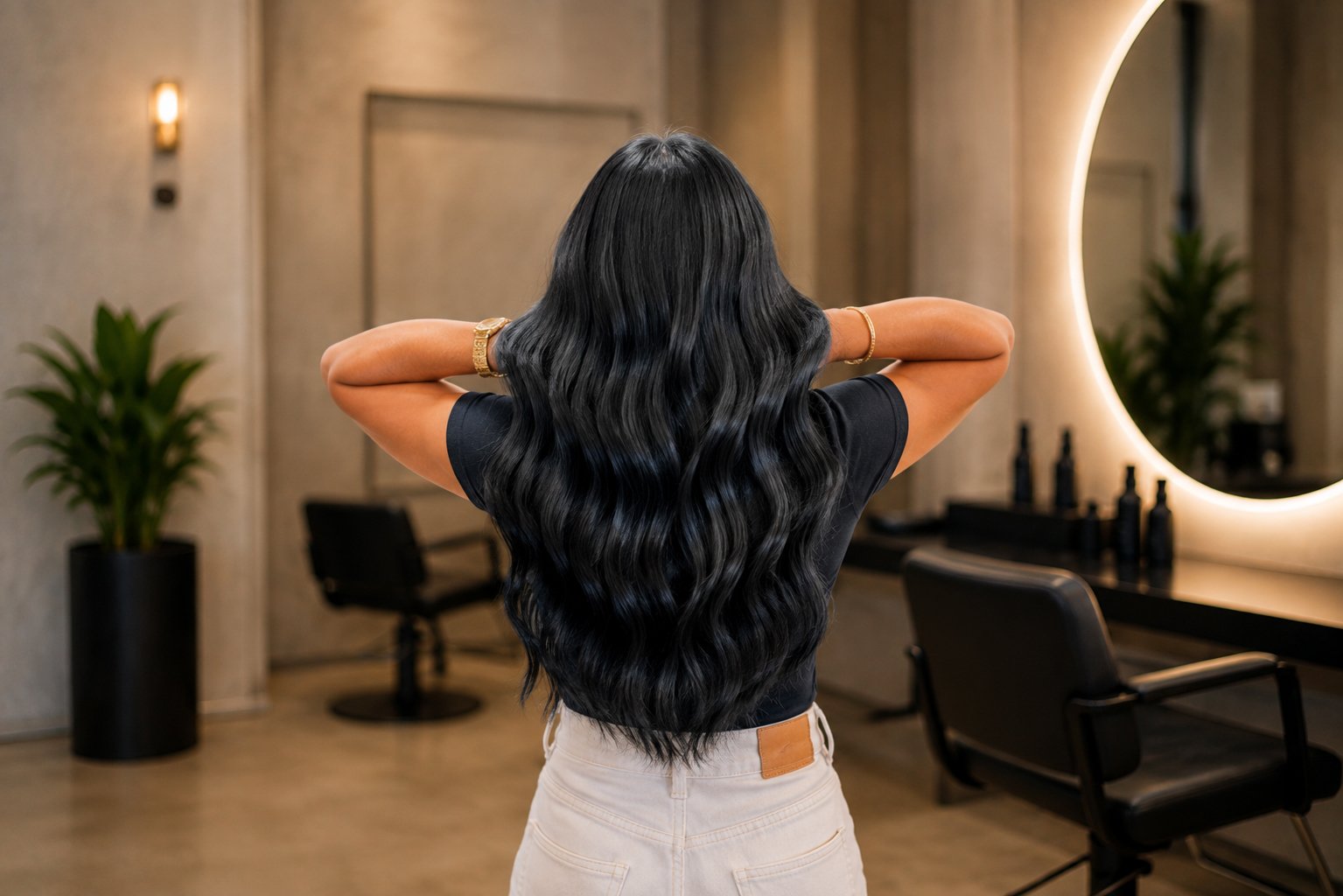
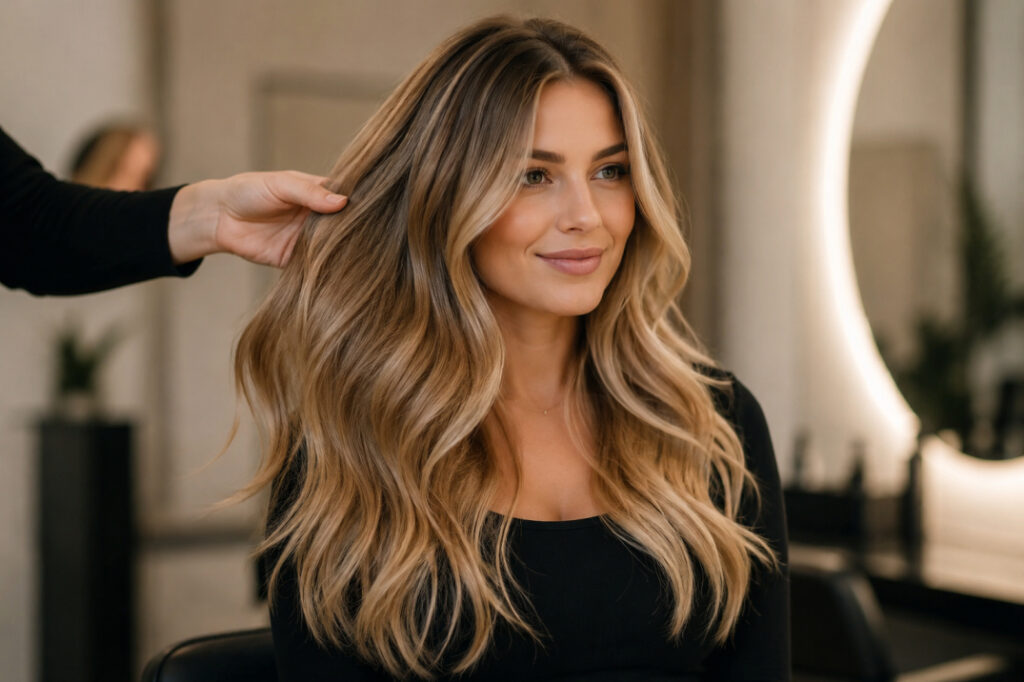
Hair colour can still be part of the plan, but timing matters. Giving your hair a little breathing room helps preserve the smooth texture, keeps shine intact, and often gives better colour results too.
Think of it this way: you already invested time and effort into getting healthier-looking hair. Waiting a few extra days can help you enjoy both the treatment and the colour for much longer. Sometimes the best hair decision is simply not doing everything at once.
FAQs About Colouring Hair After Nanoplasty
1. Can I Colour My Hair Immediately After Nanoplasty?
It is better not to. Most professionals suggest waiting 10–14 days before colouring to protect the treatment results.
2. Is Semi-Permanent Colour Safer After Nanoplasty?
Yes. Semi-permanent colour is usually gentler because it contains fewer harsh ingredients compared to permanent dyes.
3. Can Bleaching Damage Nanoplasty-Treated Hair?
Bleaching can increase dryness and stress on the hair. Waiting 2–3 weeks and consulting a stylist is recommended.
4. Should I Colour My Hair Before Nanoplasty?
In many cases, yes. Colouring first and doing nanoplasty afterwards often gives smoother final results.
5. Will Hair Colour Remove The Nanoplasty Effect?
Not completely, but colouring too early or using strong chemicals may reduce smoothness and shorten treatment longevity.