Key Takeaways
- Chemically damaged hair needs targeted treatments such as bond builders, protein therapies, and deep hydration to restore strength and reduce breakage.
- Professional salon treatments can help repair weakened hair bonds caused by colouring, bleaching, straightening, and other chemical services.
- Consistent at-home care, including leave-in conditioners, heat protectants, and sulfate-free products, supports long-term hair recovery.
- Regular maintenance treatments every few weeks can improve hair elasticity, moisture balance, and overall hair health.
- Getting advice from an experienced Perth hair specialist helps ensure the right treatment plan based on your hair condition and chemically damaged hair level.
Introduction
A few years ago, a friend of mine sat down at her kitchen table, pulled a clump of hair from her brush, and just stared at it. She had been bleaching her hair for years, adding colour every six weeks, and using a straightener almost daily. She knew it was Chemically Damaged Hair. But it was not until chunks started snapping off near the crown that she realised things had gone too far.
She is not alone. Across Perth, thousands of people are quietly dealing with the same thing — brittle ends, excessive shedding, colour that will not hold, and a texture that feels more like hay than hair. The causes are different for everyone. The solution, though, follows a clear path — and it starts with understanding exactly what has gone wrong inside the hair itself.
This guide is written for real people at real stages of chemically damaged hair. Not for anyone who wants a quick fix, but for those who are ready to take their hair’s health seriously.
What Is Chemically Damaged Hair and How To Spot It
Your hair is held together by protein bonds — specifically disulfide bonds — that run through the inner cortex of each strand. Chemical processes like bleaching, perming, and relaxing work by breaking those bonds to reshape or lighten the hair. When it is done carefully and in moderation, the hair recovers. When it is overdone or done on top of already-compromised hair, those bonds break and simply do not reform properly.
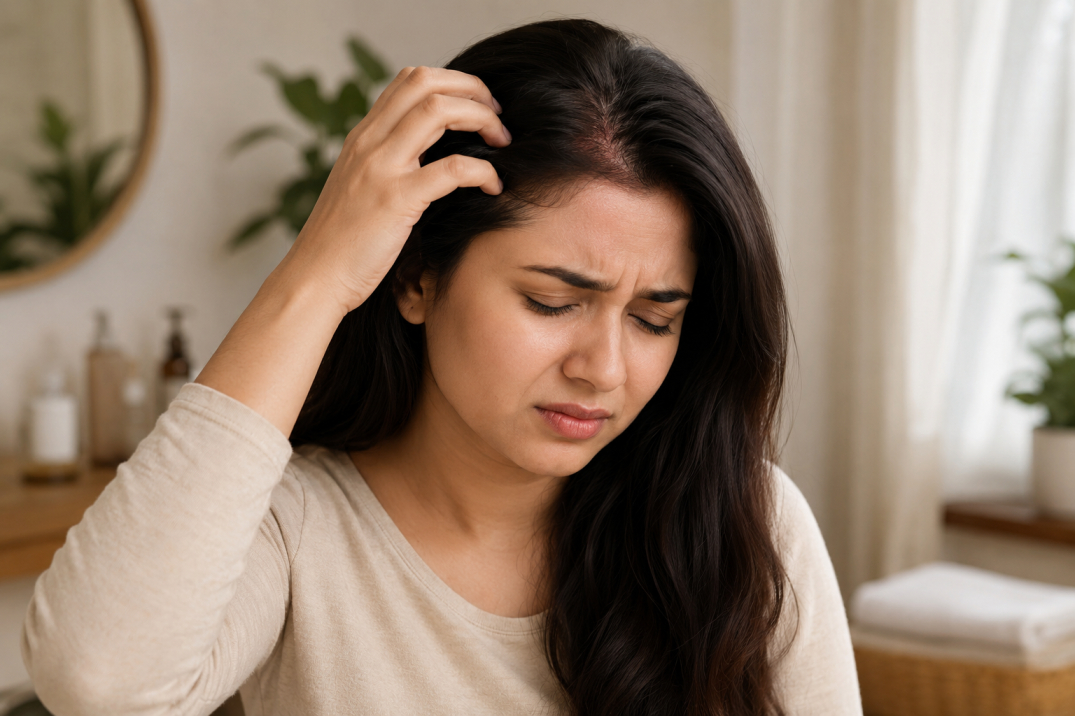
The results show up in ways that are easy to dismiss at first. Ends that split almost immediately after a cut. Colour that fades within days. Hair that stretches and snaps when you pull it gently between two fingers. A rough, rough texture even after conditioning. If your hair feels gummy or almost elastic when it is wet, that is protein loss — and it is one of the clearest signs that the internal structure has been compromised.
Perth’s hairdressers will often describe this as “over-processed” hair. What that means practically is that the cuticle — the outer protective layer of each strand — has lifted and eroded, leaving the inside of the hair exposed to moisture loss, breakage, and further chemical damage every single day.
Why Perth’s Climate Makes Chemically Damaged Hair Worse
Perth averages more than 3,000 hours of sunshine a year. That is not just a holiday brochure statistic — it is a real factor in how hair ages here. UV radiation breaks down melanin and degrades the cuticle layer of the hair, which means that even people who are careful with chemicals can still end up with dry, brittle, porous hair just from daily life outside.
Add to that the low humidity Perth experiences through summer and early autumn, and you have conditions that pull moisture from already chemically damaged hair strands at a faster rate than you would see in more temperate cities. The Indian Ocean breeze also carries salt — wonderful for the soul, not so gentle on the hair shaft.
This does not mean you cannot have healthy hair in Perth. Plenty of people do. It just means that if your hair is already chemically damaged or compromised, you are starting from a harder baseline, and your treatment plan needs to account for that.
Top Professional Hair Treatments Available In Perth
Perth salons have caught up with the best in the world when it comes to damage repair. These are the treatments most recommended by experienced colourists and stylists across the city.
➡️Bond-Building Therapy
Bond builders like Olaplex, K18, and WELLAPLEX work at a molecular level. Rather than coating the hair with product, they actually re-link the broken disulfide bonds inside the cortex. This is not a conditioning treatment. It is a structural repair. An in-salon bond-building session added to a colour appointment, or done as a standalone treatment, can noticeably reduce breakage within a few weeks. K18 in particular has attracted a lot of attention lately because it works in just four minutes and produces genuinely visible results from the very first use.
➡️ Protein Reconstruction Treatments
If your hair is limp, stretchy, and loses its shape quickly, protein is what it is missing. Treatments using hydrolysed keratin or wheat protein fill in the gaps along the cuticle and temporarily rebuild strength. Aphogee Two-Step and Joico K-PAK are popular choices in Perth salons. Be careful not to overdo protein — too much without balancing moisture creates stiffness and further breakage. A good stylist will assess your current protein-moisture balance before recommending how many sessions you need.
➡️ Keratin Smoothing Treatments
A keratin treatment does two things at once — it infuses protein into the hair and seals the cuticle flat, reducing frizz and giving a healthy, smooth appearance. For chemically damaged hair, processed hair that is rough, frizzy, and hard to manage, it makes a significant difference. Results last between three and five months. Given Perth’s heat and humidity spikes in winter, many people schedule one in late summer and find it carries them comfortably through the year.
➡️ Deep Hydration and Moisture Infusion
Chemically Damaged Hair processes strip the hair’s natural lipid barrier — the fatty layer that keeps moisture locked in. Replenishing it requires more than a standard conditioner. Salon hydration treatments using ceramides, hyaluronic acid, or argan oil are applied under heat to drive moisture deep into the cortex. Ask for a “moisture infusion” or “hydration reset” service at your next salon visit. Used in rotation with a bond builder, these treatments restore the suppleness that makes hair actually feel alive again.
How To Choose The Right Treatment For Your Hair Type
The biggest mistake people make is choosing a treatment based on what someone else recommended rather than what their own hair actually needs. Hair that is over-moisturised and protein-deficient will feel worse after another deep conditioning session. Hair that is stiff and brittle from too much protein will not benefit from a reconstruction treatment.
A simple test: take a single strand, hold it at both ends, and pull gently. If it stretches significantly and then snaps without much resistance, you need protein. If it snaps almost immediately with very little stretch, you need moisture. Most chemically damaged hair sits somewhere in between — and needs a phased approach that addresses both over time.
Always get a consultation before committing to a treatment. Any reputable Perth salon will assess your hair, ask about your chemical history, and talk you through what they actually see. If a stylist quotes you a treatment without looking at your hair first, that is a red flag.

What To Expect During a Hair Restoration Treatment
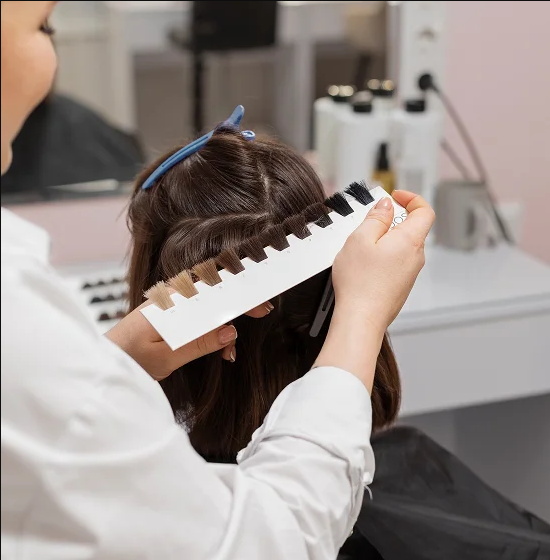
Most in-salon repair treatments are straightforward and relatively relaxing. You will usually start with a clarifying shampoo to remove product build-up, followed by the treatment itself, which may be applied under a heat cap or processed at room temperature, depending on the formula. Sessions typically run between 30 minutes and two hours.
Your hair may feel noticeably different straight away — softer, smoother, with less frizz. Or it may take a few washes for the full effect to become clear. Either way, it is normal. What is also normal is being told that one session will not fully undo months or years of damage. Honest stylists in Perth will give you a realistic recovery plan across several visits rather than overpromising after a single appointment.
Bring your questions. Ask about what products to use at home, how soon you can colour again if that is on your mind, and whether there are any specific ingredients to avoid while your hair is in recovery. Good communication with your stylist makes a real difference to outcomes.
How Long Does It Take To Repair Chemically Damaged Hair?
There is no clean answer, and anyone who tells you otherwise is probably selling something. Mild damage — rough texture, some breakage, dullness — can show meaningful improvement within four to six weeks of consistent treatment and a better home routine. Moderate chemically damaged hair, with significant breakage and porosity issues, typically takes three to four months of regular in-salon work before things stabilise.
Severe chemically damaged hair — particularly hair that has been bleached repeatedly to very light levels, or hair that has undergone multiple chemical processes in a short time — may take six months or more to repair. In some cases, especially where breakage has happened close to the root, the only real solution is to grow out the Chemically Damaged Hair sections over time.
That is not a failure. It is just biology. Hair grows roughly 1.25 cm per month. With the right care, new growth comes in healthy, and the Chemically Damaged Hair sections become easier to manage and eventually phase out. Patience, paired with consistent treatment, is genuinely the most effective approach.
Final Thought
Hair damage is deeply personal. For a lot of people, it is tied up with how they feel about themselves — their confidence, their identity, the way they present to the world. If your hair is Chemically Damaged Hair right now, that frustration is real and completely valid.
But here is what I want you to take from this: recovery is possible. Perth has excellent salons, quality treatments, and stylists who genuinely know what they are doing. The process takes time and consistency, but it works. Your hair is not beyond saving. It just needs the right care — and a little grace while it heals.
Start with one good consultation. Be honest about everything you have put your hair through. And then commit to the plan. You will be surprised by what your hair is capable of when you give it the chance.
Frequently Asked Questions
1. Can I Colour My Hair If It Is Already Chemically Damaged Hair?
Yes, but carefully. A stylist may recommend bond-repair treatments or delaying colour services if the damage is severe.
2. How Often Should I Book Salon Treatments For Chemically Damaged Hair?
Monthly treatments are ideal during recovery, while every 6–8 weeks usually works for maintenance.
3. Can Hard Water Affect Hair Repair Treatments?
Yes. Mineral build-up can reduce treatment effectiveness, so clarifying treatments may help improve results.
4. Is Olaplex Worth Using For Chemically Damaged Hair?
Yes, it can help repair damaged bonds, reduce breakage, and improve hair strength when used consistently.
5. What Is The Most Important Thing I Can Do At Home Between Salon Visits?
Use a leave-in conditioner, heat protectant, and sulfate-free shampoo to support hair repair and prevent further damage.