Key Takeaways
🌿 Gentler alternative to traditional dyes :- Ammonia-free hair color replaces harsh ammonia with milder agents (like MEA), making it less irritating on the scalp and hair.
💨 No strong chemical smell :- Without ammonia, these formulas have a much more pleasant or minimal odor, making the coloring experience more comfortable.
💧 Better for hair condition:- They help retain moisture and reduce damage, leaving hair feeling softer and looking shinier after coloring.
🎨 Still delivers good color results:- Ammonia-free dyes can effectively cover greys and provide rich, long-lasting color, though sometimes slightly less intense than ammonia-based dyes.
⚖️ Not completely “chemical-free”:- “Ammonia-free” doesn’t mean natural—these products still use alternative chemicals to open the hair cuticle, so they’re gentler, not entirely harmless.
Introduction
There’s a moment most of us remember—the first time we sat in a salon chair, watching color being mixed in a bowl, that sharp, almost overwhelming smell filling the air. For years, that scent was simply part of the process. But things have changed. Walk into a modern salon today, and you’ll often hear the phrase “ammonia-free hair color” before anything else.
So what does it really mean? And is it just a marketing buzzword, or something worth paying attention to?
Let’s break it down in a way that actually makes sense.
What Is Ammonia In Hair Color?
Ammonia is a chemical that’s been used in ammonia-free hair coloring for decades. Its main job is surprisingly simple: it opens up the outer layer of your hair, known as the cuticle. Once that layer lifts, color molecules can move inside the hair shaft and settle in. That’s how permanent ammonia-free hair color works.
But here’s the catch—ammonia doesn’t exactly do this gently. It forces the cuticle open quickly and aggressively, which is why traditional hair dye often comes with that strong, pungent smell. More importantly, it can leave the hair feeling dry, rough, or a little stressed out after repeated use.
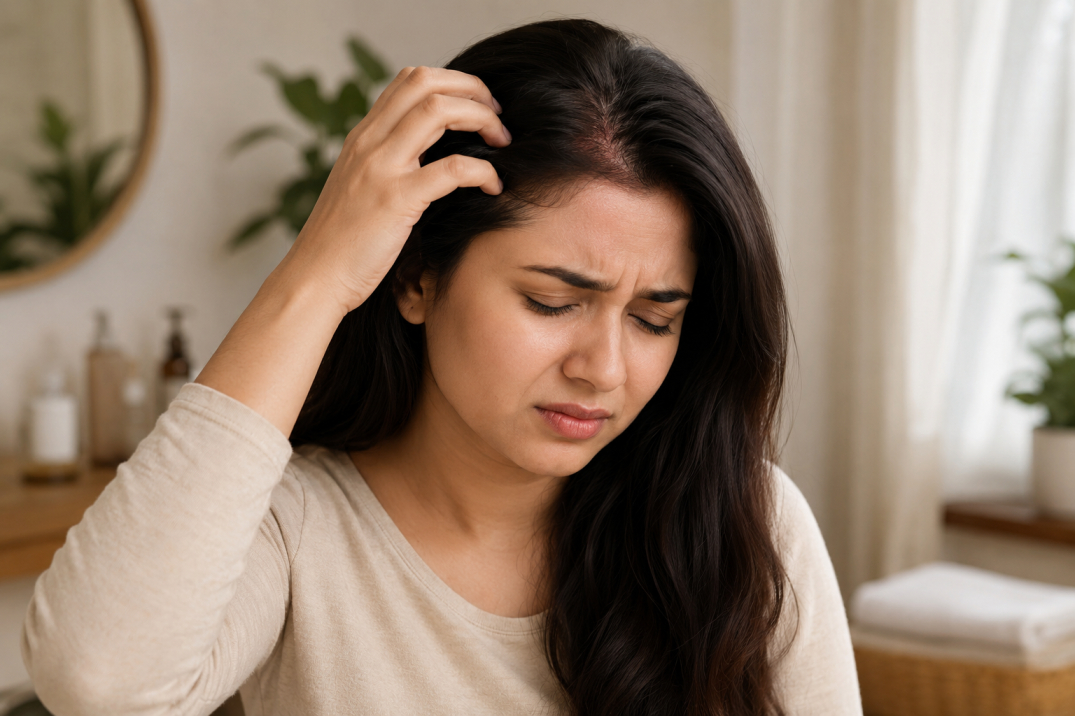
Some people barely notice it. Others? They feel the difference right away—itchy scalp, dryness, or just a general discomfort during the process.
What Does “Ammonia-Free” Actually Mean?
When an ammonia-free hair color is labeled “ammonia-free,” it means exactly what it sounds like: the formula doesn’t contain ammonia.
Instead, it uses alternative ingredients to do a similar job—opening the cuticle just enough for color to enter. These substitutes tend to be milder and often don’t evaporate as quickly, which is why the smell is much softer (or sometimes barely noticeable).
Now, here’s something worth knowing: ammonia-free doesn’t always mean completely chemical-free. ammonia free Hair color, by nature, needs some form of chemistry to work. The difference lies in how gentle or harsh that chemistry is.
Think of it this way—traditional formulas kick the door open, while ammonia-free ones knock and ease their way in.
How Does Ammonia-Free Hair Color Work?
Ammonia-free hair color works by using gentler alkaline agents—most commonly something called MEA (monoethanolamine). Instead of rapidly lifting the cuticle, these ingredients soften it more gradually.
This slower process has a few interesting effects.
First, the color application tends to feel more comfortable. There’s less stinging, less overwhelming smell, and often a more pleasant salon experience overall. Second, because the cuticle isn’t forced open as aggressively, the hair retains more of its natural moisture.
The result? Hair that looks colored and feels smoother and shinier. But this gentler method might not work as well for dramatic lightening, like going from very dark to very blonde in one session. Ammonia-free color is more about enhancing, blending, and refining than completely changing.

Benefits Of Ammonia-Free Hair Color
One of the biggest reasons people switch to ammonia-free formulas is comfort. That sharp chemical smell? Gone or significantly reduced. For many, that alone makes the experience feel completely different. But there’s more to it than just the scent.
Hair tends to feel softer after coloring. There’s often more shine, less dryness, and fewer signs of stress, especially if you color regularly. Over time, this can make a noticeable difference in how healthy your hair looks and behaves.
For those with sensitive scalps, ammonia-free options can feel like a relief. While no hair dye is entirely risk-free, these formulas are generally less irritating.
Another subtle benefit is how natural the results can look. Because the process is gentler, the color often appears more dimensional rather than flat or overly processed.
It’s not about sacrificing results—it’s about achieving them in a softer, more balanced way.
Who Should Choose Ammonia-Free Hair Color?
This type of ammonia-free hair color isn’t just a trend—it suits certain people especially well.
If your scalp tends to react easily, switching to an ammonia-free formula can make a noticeable difference. The same goes for anyone who dreads the strong smell of traditional dyes.
It’s also a great option if you color your hair often. Repeated exposure to harsh chemicals can build up over time, so choosing a gentler formula helps maintain overall hair health.
Many people who are pregnant or simply trying to reduce their exposure to strong chemicals feel more comfortable choosing ammonia-free options, though it’s always wise to consult a professional in such cases. And if your goal is soft, glossy, natural-looking color rather than extreme changes, ammonia-free is often the better fit.
Final Thoughts
Ammonia-free hair color has come a long way. What used to be a harsh, one-size-fits-all process is now far more tailored and thoughtful.
Ammonia-free hair color reflects that shift. It’s not about completely replacing traditional formulas but offering a gentler alternative for those who want it.
At the end of the day, the best choice depends on your hair, your goals, and how you want the experience to feel. Some people still prefer the strength of traditional dyes for major transformations. Others lean toward the softer, more comfortable approach of ammonia-free color. Neither is wrong—it’s just about what works for you.
FAQS
1. Is Ammonia-Free Hair Color Completely Safe?
No hair color is 100% risk-free, but ammonia-free formulas are generally considered gentler on both hair and scalp. They reduce irritation and dryness compared to traditional dyes.
2. Does Ammonia-Free Hair Color Last As Long?
It can last quite well, but in some cases, it may fade slightly faster than ammonia-based color, especially with frequent washing or sun exposure.
3. Can Ammonia-Free Hair Color Cover Grey Hair?
Yes, many modern ammonia-free formulas are designed to effectively cover grey hair, though results can vary depending on the brand and technique used.
4. Is Ammonia-Free Hair Color Better For Damaged Hair?
In most cases, yes. Because it’s less harsh, it helps maintain moisture and can be a better choice for already dry or damaged hair.
5. Can Ammonia-Free Hair Color Lighten Hair?
It can lighten hair to a certain extent, but for dramatic lightening (like going several shades lighter), traditional ammonia-based color or bleach may still be more effective.