Key Takeaways
- Ammonia free hair dye for pregnant women is the safest colour option — it removes harsh fumes and minimises scalp chemical absorption.
- Can you get balayage while pregnant? Yes — balayage is the most pregnancy-appropriate technique because colour is applied mid-shaft with no scalp contact.
- Is it safe to get highlights while pregnant? Most medical authorities say yes after the first trimester when ammonia free products and ventilation are used.
- Getting highlights while pregnant in the first trimester carries more risk — postpone if possible or use a strictly scalp-free technique.
- Highlighting hair during pregnancy first trimester should use the most conservative technique: balayage only, ammonia free, no scalp contact.
- A patch test 48 hours before every appointment is non-negotiable — pregnancy hormones can trigger new sensitivities.
- At Eco Hair Studio, Claremont Perth, every colour service uses 100% ammonia free, PPD free formulas (Aveda & O&M).
Is It Safe to Get Highlights While Pregnant?
This is the question we hear most from expectant mothers — and it deserves a direct, evidence-based answer. Yes, it is generally considered safe to get highlights while pregnant, particularly from the second trimester onwards, and especially when an ammonia free hair dye is used with a technique like balayage that keeps colour away from the scalp.
The concern around hair colour and pregnancy centres on two ingredients found in traditional dyes: ammonia and PPD (paraphenylenediamine). Both can be absorbed through the scalp or inhaled as fumes. However, the quantities involved in a single professional salon appointment are very small and have not been associated with harm in published research when appropriate precautions are followed.
The NHS, the American College of Obstetricians and Gynaecologists (ACOG), and Australian government health guidance all take a broadly reassuring position: there is no strong evidence linking professionally applied modern hair dye to adverse pregnancy outcomes. The three conditions that matter most are: an ammonia free formula, minimal scalp contact, and a well-ventilated salon environment.
The key distinction is between old-formulation dyes — which relied heavily on ammonia — and modern ammonia free alternatives. Switching to an ammonia free hair dye for pregnant women removes the most significant risk factor (volatile fume inhalation) almost entirely, making the appointment both safer and far more comfortable.
- Expert Consensus : The American College of Obstetricians and Gynaecologists states that evidence does not suggest hair dye causes harm to developing babies, particularly when ammonia free formulas are used after the first trimester. Balayage — which avoids scalp contact — is specifically noted as a lower-risk technique.ACOG states that evidence does not suggest hair dye causes harm to developing babies, particularly when ammonia free formulas are used after the first trimester. Balayage — which avoids scalp contact — is specifically noted as a lower-risk technique.
Highlights While Pregnant First Trimester: What You Need to Know
The first trimester question is the one that causes the most anxiety — and understandably so. The period between weeks 1 and 12 is when all of the baby’s major organs are forming. Even though the evidence doesn’t point to hair dye as a direct cause of harm, many healthcare providers recommend a precautionary approach: avoid or minimise non-essential chemical services during the first trimester.
Highlights During Pregnancy First Trimester — Our Recommendation
If you are in your first trimester and feel you genuinely need colour, we recommend:
- Balayage only — no scalp application whatsoever. Colour is painted from several centimetres below the root, through the mid-lengths and ends.
- Ammonia free hair dye exclusively — removes the inhalation risk that comes with traditional formulas.
- A well-ventilated salon environment — Eco Hair Studio’s Claremont space has excellent airflow throughout all colour services.
- A full consultation and patch test 48 hours before — pregnancy skin can react differently to products you have used for years.
- Inform your obstetrician or midwife — they know your individual circumstances and may have specific guidance.
Highlighting hair during pregnancy first trimester is a personal decision that should involve your healthcare provider. The most conservative approach is to wait until the second trimester. But if that feels impossible — perhaps for a special occasion or because the first trimester has stretched into its final weeks — ammonia free balayage with no scalp contact is the responsible choice.
Safe Colouring By Trimester
T1
USE CAUTION
First Trimester · Weeks 1–12
Critical period of foetal organ development. Postpone colour services if possible. If colouring is needed, use only ammonia free dye with a scalp-free balayage technique.
T2
GENERALLY SAFE
Second Trimester · Weeks 13–26
The most recommended window for highlights during pregnancy. Major organ development is complete. Ammonia free balayage in a ventilated space is considered low risk by most medical authorities
T3
GENERALLY OK
Third Trimester · Weeks 27–40
Highlighting hair in pregnancy’s third trimester remains generally safe. Comfort and ease of sitting for long periods is the main practical consideration.
Can You Get Balayage While Pregnant?
Yes — and balayage is, in fact, one of the most pregnancy-friendly colour services available. Here is why it stands apart from other highlighting techniques and why so many of our clients choose it specifically during their pregnancies.
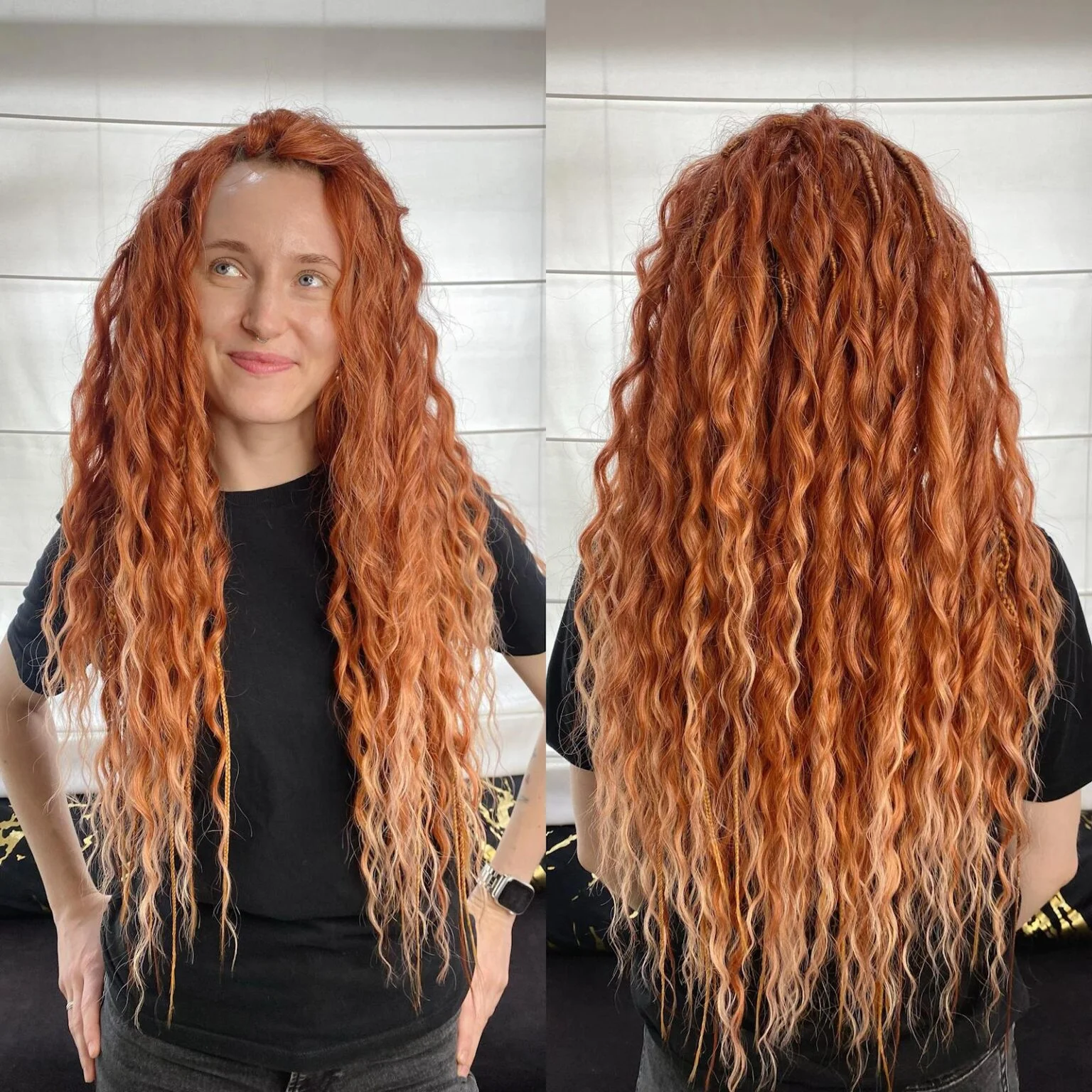
Balayage is a freehand painting technique in which colour is swept through the mid-lengths and ends of the hair, starting several centimetres below the root. Unlike traditional foil highlights — where foil packets are placed directly against the scalp — balayage involves minimal to no skin contact with the colour formula. This is the critical safety advantage during pregnancy.
Why Scalp Contact Matters
The primary concern with any hair dye during pregnancy is the potential for chemical absorption through the scalp. When you eliminate scalp contact almost entirely, as balayage does, you dramatically reduce the already small amount of product that could enter the bloodstream. Combine this with an ammonia free formula, and the risk profile is lower than almost any other colour service.
Practical Advantages of Balayage During Pregnancy
- Less total product used — because colour is placed selectively rather than saturating the full shaft.
- Shorter processing time — typically less than traditional full-foil highlights.
- No tight foils against the scalp — more comfortable, particularly in later pregnancy.
- Natural grow-out — no harsh root demarcation as hair grows, meaning fewer appointments during your pregnancy overall.
- Works in every trimester — even in the first trimester, balayage with ammonia free dye is the recommended technique if colour is needed.
Is It Safe to Highlight Hair While Pregnant? Technique Matters
The answer to “is it safe to highlight hair while pregnant” depends significantly on how the highlighting is done. Not all highlighting techniques carry the same risk profile. Here is a breakdown of the most common options.
Balayage — Lowest Risk
Colour painted mid-shaft to ends, no scalp contact. When combined with ammonia free hair dye while pregnant, this is the gold-standard pregnancy-safe technique. Results last 3–4 months, meaning fewer total appointments across your pregnancy.
Traditional Foil Highlights — Moderate Risk
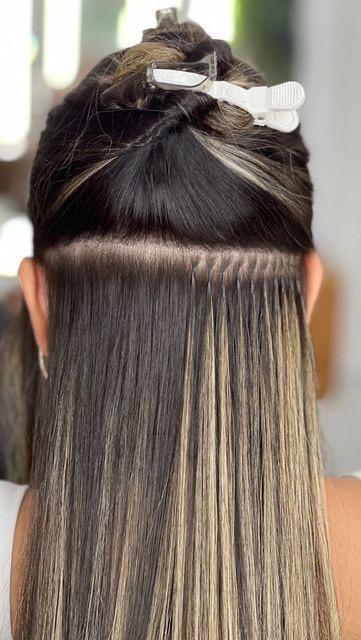
Foils are placed directly against the scalp, bringing colour formula into skin contact. Highlighting hair pregnant using foils carries more absorption risk than balayage. If foils are your preferred technique, ammonia free hair dye is essential, and your stylist should minimise root saturation.
All-Over Root-to-Tip Colour — Highest Risk
Full scalp application maximises skin contact and — with traditional formulas — ammonia fume exposure. If you need all-over colour while pregnant, choose ammonia free hair dye for pregnant women and ask your stylist to minimise product contact at the root.
Toners and Gloss Treatments — Lowest Risk of All
Toners and glazes deposit colour without lifting the cuticle aggressively. No ammonia or significant peroxide is involved. An excellent option for pregnant clients who want to refresh vibrancy, neutralise brassiness, or enhance shine with minimal chemical exposure.
| Feature | Traditional Hair Dye | Ammonia Free Hair Dye |
|---|---|---|
| Contains ammonia | Yes — volatile fumes | No — fume-free formula |
| Suitable during pregnancy | Use with caution | Widely recommended |
| Scalp contact safety | High absorption risk | Low — especially with balayage |
| PPD free options | Rarely available | Yes — O&M, Aveda |
| Colour vibrancy | Strong | Equally vibrant (modern formulas) |
| Hair health impact | Can strip & dry | Conditioning & strengthening |
| Safe for sensitive scalp | Often not | Yes |
| Colour longevity | 4–6 weeks | 4–6 weeks (same) |
| Patch test required | Yes | Yes — always, especially when pregnant |
| Fumes during processing | Strong, can cause nausea | Minimal to none |
Why Ammonia Free Hair Dye for Pregnant Women Makes All the Difference
What Ammonia Does — and Why It Is a Problem During Pregnancy
In conventional hair dye, ammonia raises the pH of the formula, forcing the hair cuticle open so pigment can penetrate the cortex. The process is effective — but ammonia is volatile, meaning it evaporates at room temperature and fills the salon air with pungent fumes.
During pregnancy, the sense of smell intensifies dramatically. Ammonia fumes that might be merely unpleasant at other times can trigger nausea, dizziness, and headaches in pregnant women. Beyond comfort, repeated inhalation of any volatile compound during pregnancy is an exposure that most expectant mothers reasonably prefer to avoid. Choosing ammonia free hair dye during pregnancy removes this risk entirely.
What Ammonia Free Hair Dye Uses Instead
Modern ammonia free formulas substitute gentler alkalising agents — most commonly MEA (monoethanolamine) or sodium carbonate — to achieve the same cuticle-opening effect without volatile fumes. These agents are less pungent, more skin-compatible, and considered safer for repeated inhalation exposure.
Crucially, high-quality ammonia free hair dye does not represent a compromise on colour. Professional-grade formulas from brands like Aveda and O&M deliver the same vibrancy, depth, and longevity as traditional dyes — without the harsh chemistry.
The Products We Use at Eco Hair Studio
Aveda Full Spectrum — up to 93% naturally derived, ammonia free, rooted in Ayurvedic plant science. Delivers rich, multi-dimensional colour with a conditioning effect on the hair.
O&M (Original & Mineral) — Australian made, ammonia free AND PPD free. One of the safest professional colour systems available globally, particularly for pregnant and sensitive-skin clients.
Because our salon uses exclusively ammonia free formulas, you are never in a space where ammonia fumes could drift from another client’s appointment. Our entire colour menu is clean — something that matters enormously to pregnant clients and those with sensitivities.
Can You Get Hair Highlighted When Pregnant — And What to Expect at Your Appointment
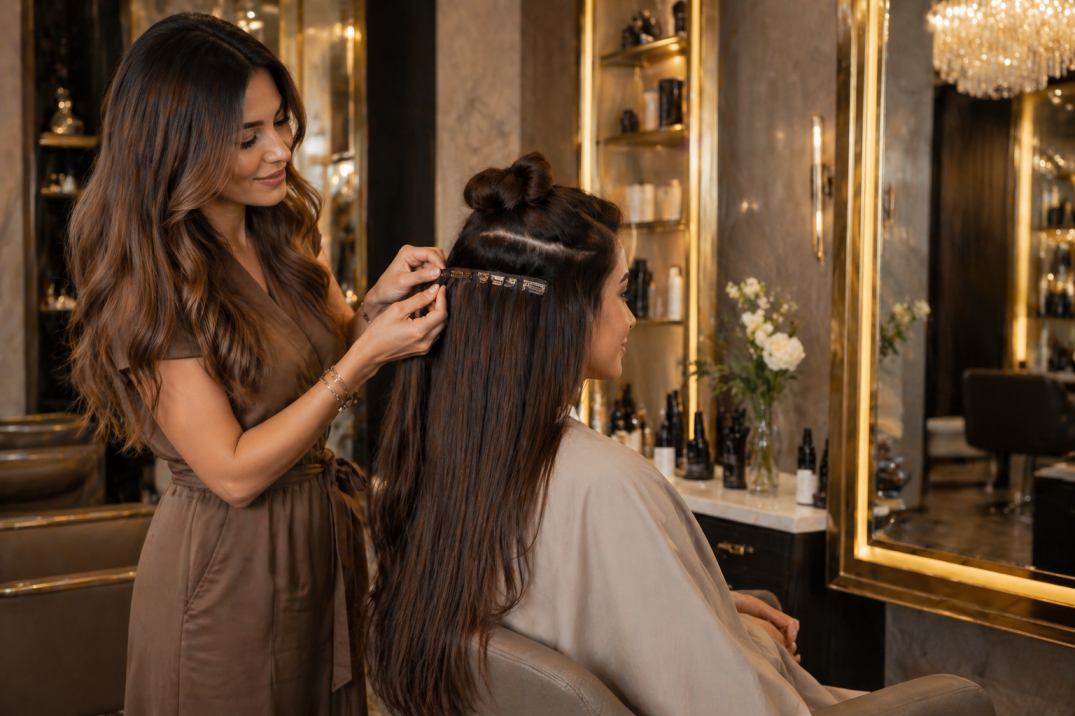
If you have decided that getting highlights while pregnant is right for you, here is exactly what to expect at Eco Hair Studio, from first contact through to walking out the door.
- Book & Pre-Appointment Patch Test (48 Hours Before):When you book, let us know you are pregnant and how many weeks along you are. We will send a colour sample home for a patch test behind one ear. Even if you have used this product before, pregnancy hormones can create new sensitivities. Redness, itching or swelling means we reschedule until resolved.
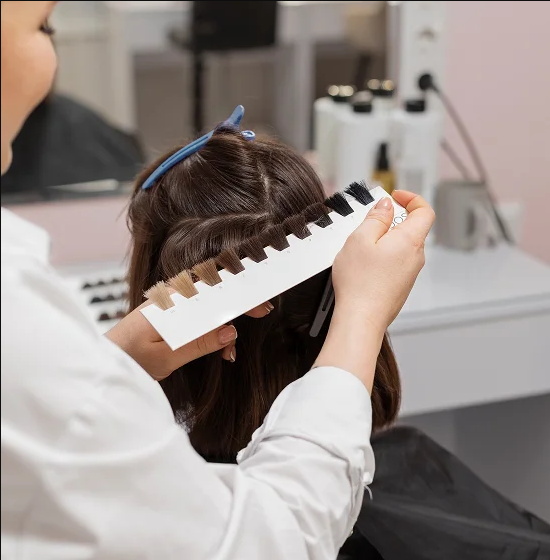
- Consultation & Pregnancy-Specific Colour Plan: We discuss your goals, current hair condition, and your trimester. We tailor technique (typically balayage) and formula to your stage of pregnancy. We confirm the ammonia free product being used and answer any questions about ingredient safety.
- Comfortable Positioning Throughout:Particularly in the second and third trimesters, we ensure you are seated comfortably with full back support. We offer regular breaks, water, and work at a pace that suits you. There is never any rushing at Eco Hair Studio.
- Ammonia Free Balayage Application:Colour is hand-painted from the mid-lengths down — no product touches your scalp. You will notice immediately that there is no harsh ammonia smell. The entire salon remains comfortable and fume-free throughout your appointment.
- Processing & Check-Ins:Processing takes 20–45 minutes depending on the look we are creating. We check in regularly. After rinsing, a nourishing, colour-safe conditioner seals the cuticle and adds shine.
- Blow-Dry, Style & Aftercare Advice:We finish with a gentle blow-dry adapted to your hair’s current texture — which pregnancy hormones may have changed. We also provide aftercare guidance to maximise the longevity of your highlights hair pregnancy results.
How Pregnancy Hormones Affect Hair Colour Results
One thing many clients don’t anticipate when getting highlights during pregnancy is how significantly their hair may have changed. Understanding this helps set realistic expectations and ensures your stylist can adapt the technique accordingly.
Hair becomes thicker and more voluminous. The hormonal surge during pregnancy extends the hair growth cycle, reducing shedding. Your hair may be noticeably fuller than usual — which often makes balayage results look spectacular.
Colour may process differently. Changes in hair porosity during pregnancy mean ammonia free hair dye while pregnant can sometimes lift faster or to a slightly different tone. Our stylists assess porosity at consultation and adjust developer strength and timing accordingly.
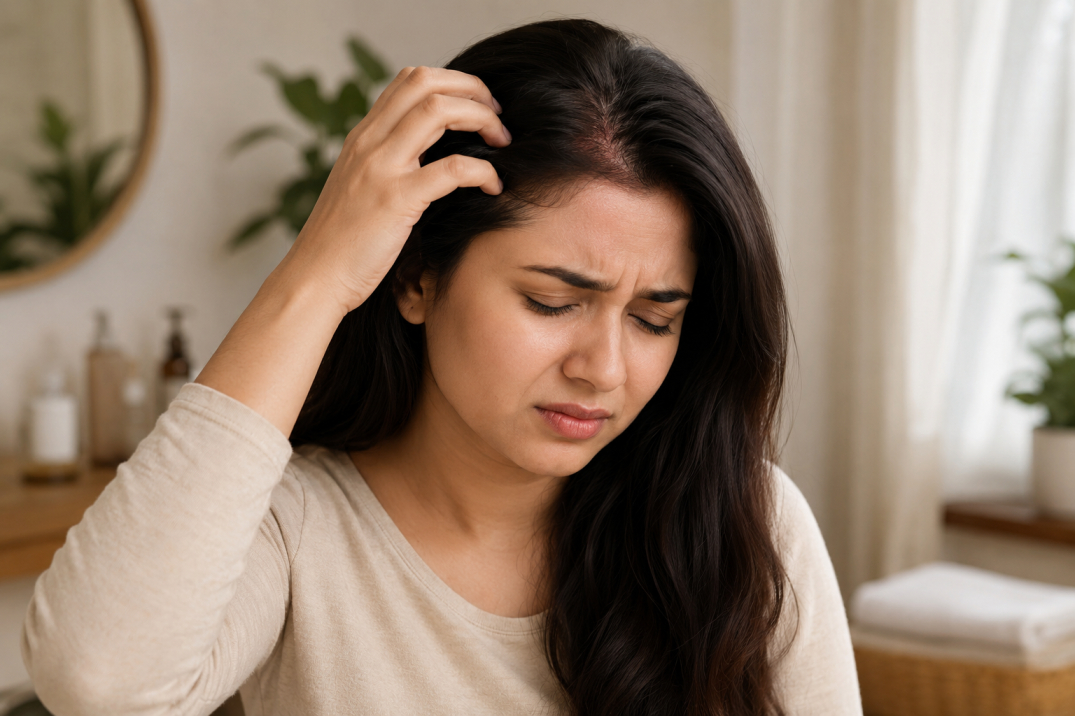
Scalp sensitivity can increase. Can hormones affect hair dye reactions? Absolutely. New sensitivities to ingredients you have used for years can develop during pregnancy. This is the reason patch testing before every single appointment — not just the first — is non-negotiable.
The post-partum shed is real. Around 3–4 months after birth, many women experience significant hair shedding as hormone levels normalise. If you are planning appointments around this period, balayage’s natural grow-out means the shedding is far less visually obvious than it would be with a regrowth-dependent colour technique.
- Important Safety Note :No hair colour treatment during pregnancy is guaranteed 100% risk-free. Ammonia free hair dye for pregnant women significantly reduces chemical exposure versus traditional formulas, but individual circumstances vary. Always consult your obstetrician or midwife before any chemical salon service during pregnancy. This guide is informational and does not replace personalised medical advice.
Frequently Asked Questions
Is highlighting hair safe during pregnancy?
Is highlighting hair safe during pregnancy is one of the most common questions we receive. The answer is: generally yes, particularly from the second trimester onwards, when an ammonia free formula and a scalp-free technique like balayage are used in a well-ventilated salon. The first trimester warrants more caution — we recommend postponing if possible, or using strictly scalp-free balayage with ammonia free dye if colour is needed.
Can you get balayage while pregnant in Perth?
Yes. Eco Hair Studio in Claremont, Perth offers ammonia free balayage specifically tailored to pregnant clients across all trimesters. We use only Aveda and O&M colour — both ammonia free and PPD free — and our stylists are experienced in adapting technique, timing, and application to each trimester. Book a consultation and we will design a safe, beautiful colour plan for your specific stage of pregnancy.
Is ammonia free hair dye while pregnant completely safe?
Ammonia free hair dye for pregnant women is significantly safer than traditional formulas because it eliminates volatile fume inhalation and reduces scalp chemical exposure. However, no colour treatment carries zero theoretical risk during pregnancy. Most medical authorities consider it low-risk after the first trimester when applied with minimal scalp contact in a ventilated environment. Always consult your healthcare provider for personalised guidance.
What about highlights while pregnant first trimester specifically?
Highlights while pregnant first trimester is the highest-caution scenario. Weeks 1–12 are when all major foetal organs are forming. Our strong recommendation is to postpone if possible. If you proceed, balayage with ammonia free dye and zero scalp contact is the most conservative technique available. Inform your obstetrician beforehand.
Getting highlights while pregnant — does it change the colour result?
Pregnancy hormones can alter hair porosity and texture, meaning ammonia free hair dye while pregnant may process slightly differently to your usual experience. An experienced colourist will assess this at consultation and adjust accordingly. The result should be just as vibrant and beautiful as usual — sometimes more so, given the additional thickness and volume many women experience during pregnancy.
Can you get hair highlighted when pregnant using foils?
Yes, but foil highlights carry more risk than balayage during pregnancy because they are placed against the scalp. If foil highlights are your preference, ammonia free hair dye is essential, and your stylist should minimise product contact at the root. Balayage remains the recommended technique for pregnant clients.
How long do hair highlights pregnancy results last?
Ammonia free balayage results typically last 3–4 months before a refresh is needed, because the grow-out is natural and gradual rather than a stark root line. This means most clients need only 1–2 appointments across a full pregnancy — an important consideration for minimising overall chemical exposure.
What is the best trimester for highlighting hair in pregnancy?
Highlighting hair in pregnancy is most widely recommended during the second trimester (weeks 13–26). Major organ development is complete by this point, and most women feel their best during this period — nausea has typically subsided, energy has returned, and the pregnancy is well established. Highlighting hair pregnancy appointments in the second trimester, with ammonia free products, represent the lowest-risk, most comfortable option.
Do I need a patch test every time, or just once?
Every single appointment during pregnancy requires a fresh 48-hour patch test — even if you have had the same colour at the same salon many times before. Pregnancy hormones can create new sensitivities to ingredients, including ingredients in ammonia free formulas. This is non-negotiable at Eco Hair Studio and reflects best professional practice across the industry.
Why Eco Hair Studio Is Perth’s Choice for Pregnancy-Safe Hair Colour
At Eco Hair Studio in Claremont, Perth, our entire colour philosophy was built on the principle that exceptional results and ingredient safety should never be in conflict. This makes us uniquely well-suited to serving expectant mothers.
- Every single colour service uses ammonia free, PPD free formulas. We do not stock traditional ammonia dye — which means there are no ammonia fumes anywhere in our salon at any time.
- We use Aveda and O&M — two of the most respected clean professional colour brands in the world. Both are available for pregnancy-safe ammonia free hair dye services.
- Our stylists have extensive experience with pregnant clients and understand how to adapt technique, timing, and formula across all three trimesters.
- Our salon environment is low-fragrance, well-ventilated, and designed for clients with sensitivities.
- We offer complete ingredient transparency — if you want to know exactly what is in the formula being used on your hair, we will tell you.
- Flexible appointment lengths, Afterpay and Zip Pay available, and new clients always welcome.
Whether you are getting highlights during pregnancy first trimester with understandable nerves, or happily booking your second-trimester balayage appointment, we will take care of you — and your growing baby — with the expertise and attention you deserve.