Key Takeaways
Curly hair needs specialized care — the right products and techniques make the difference between frizz and defined, healthy curls.
Hydration is everything — moisture-rich treatments are essential to keep curls soft, bouncy, and manageable.
Expert cutting techniques matter — curl-specific cuts enhance natural shape and reduce bulk without losing definition.
Professional styling boosts results — diffusing, curl layering, and product application techniques elevate your natural curl pattern.
Tailored treatments restore curl health — from deep conditioning to repair therapies, targeted care keeps curls strong and vibrant.
Introduction
Curly hair has a way of keeping you on your toes. One day it looks effortlessly defined, full of bounce and life—and the next, it feels like it has a mind of its own. If you’ve ever wondered why your curls don’t always behave the same way twice, you’re definitely not alone. The reality is, curly hair isn’t difficult—it just needs a different kind of understanding. Once you start paying attention to what your hair actually needs, rather than forcing it into a routine that works for someone else, things begin to fall into place. And that’s when caring for your curls starts to feel less like a struggle and more like something you genuinely enjoy.
Understanding Curly Hair: What Makes It Unique
Curly hair doesn’t behave like straight hair, and expecting it to is where most problems begin.
Each strand of curly hair has bends and twists, which makes it harder for natural oils from the scalp to travel down the length. That’s why curls often feel dry, even when your scalp isn’t.
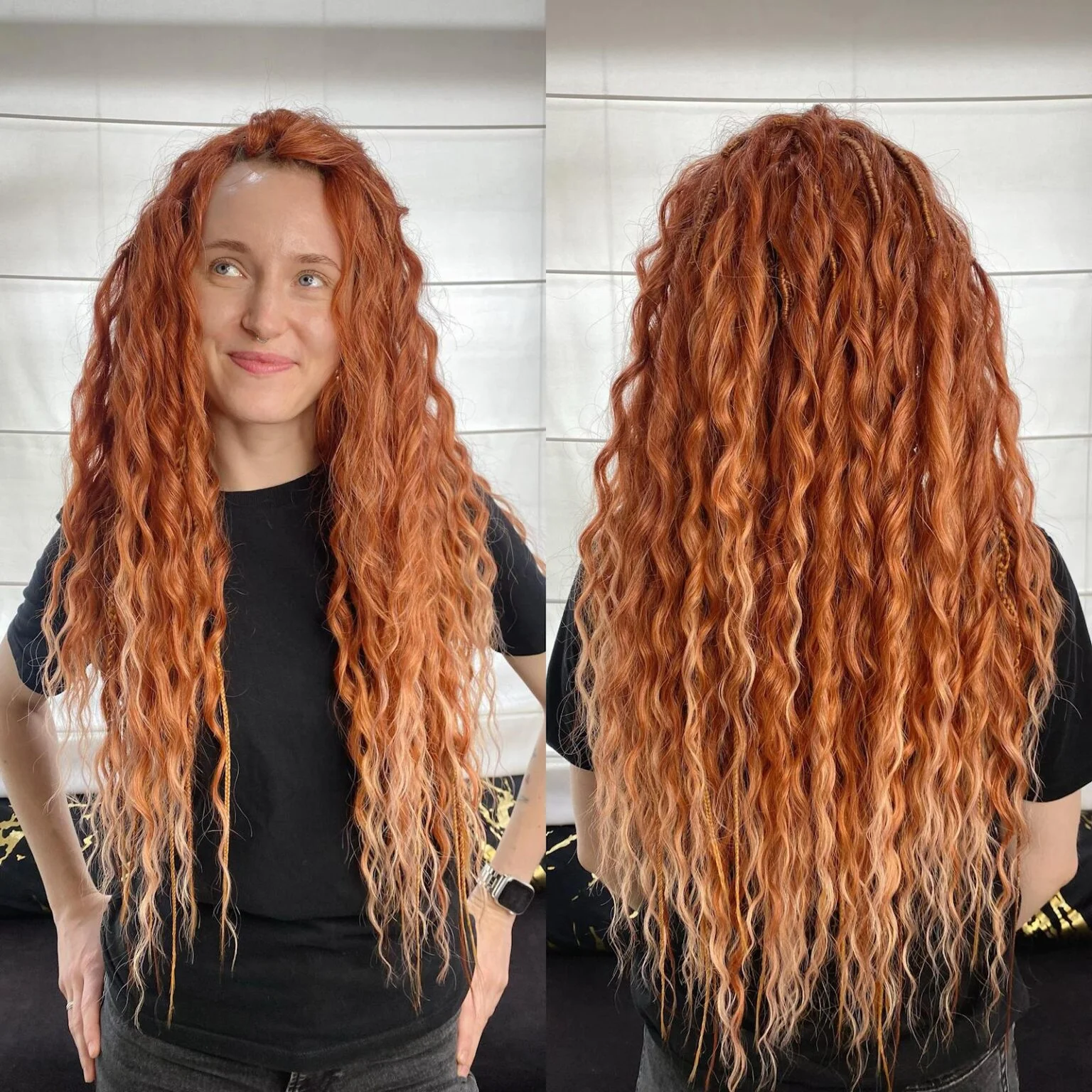
Then there’s the pattern itself—waves, loose curls, tight coils. No two heads are identical. Even on one person, you might find three different curl types. That’s completely normal, even if it feels frustrating.
Curly hair isn’t just a texture. It’s a personality. And like any personality, it responds better when you stop forcing it to be something else.
Why Curly Hair Needs Specialised Care In Perth
Perth’s climate can be a bit of a curveball for curls. Hot, dry summers pull moisture out of your hair faster than you realise. Add coastal humidity into the mix, and suddenly your curls are frizzy by midday—even if they looked perfect in the morning.
I once spoke to a client who said, “My hair has two moods: dry or frizzy. Never in between.” That’s actually more common than you’d think.
This is exactly why curly hair needs tailored care here. Generic routines don’t account for environmental stress. And when curls lose moisture, they lose definition. So it’s not just about products—it’s about adapting to where you live.
Expert Curly Hair Care Tips For Healthy, Defined Curls
Let’s keep this practical. First, hydration is everything. If your curls aren’t defined, chances are they’re thirsty. Deep conditioning isn’t optional—it’s essential.
Second, be gentle. Rough towel drying, aggressive brushing, or even over-washing can disrupt your curl pattern. Try switching to a microfiber towel or even a cotton T-shirt. It sounds simple, but it makes a difference.
Another thing people overlook? Timing. Applying styling products while your hair is still wet helps lock in moisture and shape your curls properly. And finally—don’t chase perfection. Some days your curls will behave. Other days, they won’t. That’s part of the charm.
Best Styling Techniques To Enhance Natural Curls
Styling curly hair isn’t about control—it’s about guidance. One of the most effective techniques is “scrunching.” You apply your product and gently press your curls upward, encouraging them to form naturally.
Then there’s diffusing. A diffuser attachment on your hairdryer helps dry curls without blowing them out of shape. It’s slower, yes—but worth it when you see the results.
Some people swear by air drying, especially if they want a softer, more natural finish. Others prefer a mix—diffuse partially, then let the rest dry on its own. The trick is to experiment until something feels right for you. Not what works for someone else on Instagram.
Professional Curly Hair Treatments Available In Perth

There’s a point where home care just isn’t enough—and that’s okay. Professional treatments can restore what everyday routines can’t. Deep hydration treatments, for example, penetrate the hair shaft and bring back softness and elasticity.
If your curls feel brittle or lifeless, this can be a reset.
Then there are smoothing treatments like nanoplasty or curl-friendly keratin. When done correctly, they don’t erase your curls—they refine them, reduce frizz, and make daily styling easier.
I’ve seen people walk into salons feeling defeated by their hair… and leave genuinely excited about it again. That shift matters more than anything.
Choosing The Right Products For Curly Hair
Finding the right products for curly hair can feel a bit overwhelming at first—there’s just so much out there, and not all of it actually works. The truth is, curls don’t need a shelf full of products; they need the right ones.
Start by paying attention to how your hair feels rather than chasing trends. If your curls feel dry or rough, reach for products that focus on moisture—think rich conditioners, leave-ins, or creams with nourishing ingredients.
If frizz is your main concern, lighter oils or anti-humidity formulas can help smooth things out without weighing your curls down. It’s also worth being mindful of what to avoid. Harsh shampoos can strip away natural oils, while heavy product buildup can leave curls looking flat and lifeless. Sometimes, it takes a little trial and error to find your perfect match—and that’s completely normal.
Once you do, though, your routine becomes simpler, and your curls start to behave in a way that finally feels effortless.
How The Climate In Perth Affects Curly Hair Health
Let’s talk real-life scenarios. You step outside on a hot Perth day. Within minutes, your curls feel drier. By afternoon, they’ve lost shape. Sound familiar? That’s the dry heat at work.
Now imagine a humid day near the coast. Your hair absorbs moisture from the air, causing the cuticle to lift—and suddenly, frizz takes over. This constant shift means your routine can’t stay static.
In summer, you’ll need more hydration and protection. In humid conditions, you’ll want products that seal the hair and block excess moisture. It’s less about fixing your hair—and more about working with your environment.
Curly Hair Maintenance Routine You Can Follow At Home
A simple routine goes a long way. Start with washing your hair 2–3 times a week, depending on your scalp. Use a gentle, sulphate-free shampoo. Condition every time. Don’t rush it—let it sit for a few minutes.
Once out of the shower, apply your leave-in or styling product while your hair is still damp. This is where most of your definition comes from.
Refresh days are just as important. A light mist of water and a small amount of product can bring curls back to life without a full wash, and one underrated tip? Sleep matters. A satin pillowcase or bonnet can reduce friction and keep your curls intact overnight.
Why Professional Stylists Make a Difference For Curly Hair
Not all stylists truly understand curls—and if you’ve had a bad haircut, you know exactly what I mean.
A skilled curly hair specialist doesn’t just cut your hair wet and hope for the best. They consider how your curls fall naturally, often cutting them dry to shape each section properly.
They also guide you. Not in a salesy way, but in a practical, “this will actually help you at home” kind of way. Sometimes, one good appointment can change how you see your hair completely.
Final Thoughts: Embrace Your Natural Curls with Confidence
There’s something freeing about understanding your hair instead of fighting it.
Curly hair isn’t a problem to solve. It’s something to learn, experiment with, and eventually… enjoy.
Some days will still be unpredictable. That’s part of it. But with the right care, the right approach, and maybe a bit of patience, your curls can become the easiest part of your routine—not the hardest, and once that happens, you stop wishing for “better hair.” You realise you already had it.
FAQs
1. How Often Should I Wash My Curly Hair?
Two to three times a week is usually enough for most people. Washing your hair too often can dry out your curls, but it also depends on your scalp and how you live your life.
2. Why Does My Curly Hair Get Frizzy So Easily?
Frizz usually comes from a lack of moisture or humidity in the air. When your hair is dry, it absorbs moisture from the environment, causing frizz.
3. Are Salon Treatments Safe For Curly Hair?
Yes—when done correctly. Treatments like deep conditioning or curl-friendly smoothing can actually improve your curl health and manageability.
4. Can I Brush My Curly Hair?
It’s best to detangle curly hair when it’s wet and conditioned. Dry brushing can disrupt the curl pattern and cause breakage.
5. What’s The Best Way To Define Curls Naturally?
Apply styling products on wet hair, use gentle scrunching, and avoid touching your hair too much while it dries.