📝 Introduction: Postpartum Hair Loss
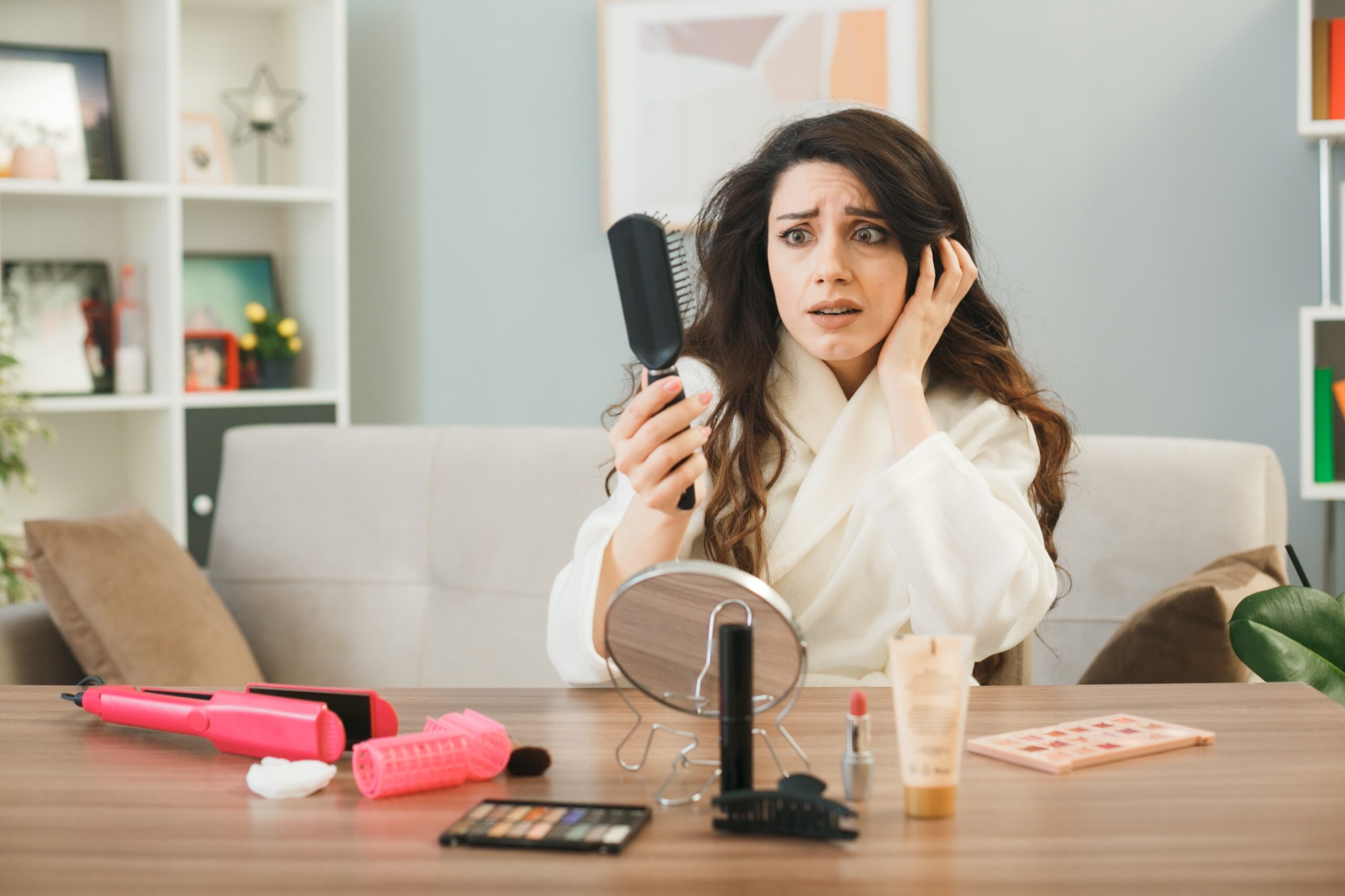
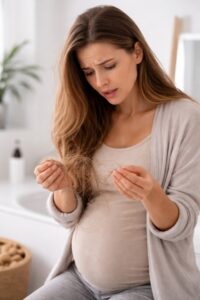
➠ You’ve just been through one of the most physically demanding experiences of your life. You’re sleep-deprived, adjusting to a new identity, and then — about three to four months after birth — you start noticing alarming clumps of hair in the shower drain.
➠ Postpartum hair loss is one of the most emotionally difficult and least talked-about parts of new motherhood. It affects up to 50% of women after birth, yet many are completely unprepared for it when it happens.
➠ This guide explains the science behind it, what a normal timeline looks like, when to be concerned, and what actually helps — including which salon treatments are safe during this sensitive phase.
Why Does Hair Fall Out After Pregnancy?
➠ During pregnancy, elevated oestrogen levels extend the anagen (growth) phase of your hair cycle.
➠ This means hair that would normally shed stays attached — which is why many women enjoy thicker, more voluminous hair during pregnancy.
➠ After birth, oestrogen levels drop rapidly and dramatically. Your hair follicles essentially ‘catch up’ — releasing all the hair that was held during pregnancy at the same time.
➠ This is called telogen effluvium, and it’s not hair falling out so much as delayed normal shedding happening all at once.It’s worth repeating: this is not a disease.
➠ It’s not a sign that something is wrong with you. It is a normal hormonal response to one of the most significant biological events the human body goes through.
🎯 Postpartum Hair Loss: Key Facts
• Affects approximately 40–50% of women after childbirth
• Typically begins 3–4 months after delivery, peaks around month 4–5
• Usually resolves on its own by 12 months postpartum
• Is caused by falling oestrogen, not nutrient deficiency or stress alone
• Does not indicate permanent hair loss in most cases
• Breastfeeding does not cause postpartum hair loss, though hormone levels during nursing can prolong it
What The Timeline Looks Like
| Timeframe | What To Expect |
|---|---|
| 0–3 months postpartum | Little to no shedding; hair may still feel full |
| 3–5 months postpartum | Shedding begins — often dramatically. Peak hair loss phase. |
| 5–8 months postpartum | Shedding slows; new regrowth starts appearing at the hairline |
| 8–12 months postpartum | Significant regrowth is visible; texture may differ temporarily |
| 12+ months postpartum | Most women return to pre-pregnancy hair density |
| 18+ months — hair still thin | Consider seeing a GP or trichologist to rule out other causes |
When To Be Concerned
Postpartum hair loss is normal. However, a small number of women experience hair thinning that continues beyond 12 months or that was unusually severe from the beginning. In these cases, there may be a secondary contributing factor worth investigating:
➠ Thyroid dysfunction — both hypothyroidism and hyperthyroidism can cause significant hair loss and are more likely to surface postpartum
➠ Iron deficiency anaemia — common after birth, particularly with heavy blood loss during delivery
➠ Nutritional deficiencies — ferritin (stored iron), zinc, and vitamin D deficiencies can all contribute to prolonged shedding
➠ Androgenetic alopecia — if there is a family history of female pattern baldness, postpartum hormonal shifts can accelerate or trigger it
If your hair loss extends significantly beyond 12 months, if you’re losing hair in patches, or if you notice thinning across the crown rather than diffuse shedding, see your GP and request a blood panel including thyroid function and ferritin levels.
What Actually Helps During Postpartum Hair Loss
► Nutrition: Iron, Protein, and Ferritin
Your hair follicles are among the first things your body deprioritises when nutrients are scarce. After birth — especially if you lost significant blood, are breastfeeding, or are not eating well due to the demands of a newborn — nutritional support matters.
Iron, specifically in the form of ferritin (stored iron), is closely associated with hair follicle function. Many women have low-normal iron levels on standard blood tests but are functionally iron deficient for hair growth purposes. Ask your GP to check your ferritin specifically, not just haemoglobin.
Protein is the raw material of hair; keratin is a protein, and your body cannot grow hair without adequate dietary protein. New mothers who are not eating enough protein (common in the early exhausting months) will often notice hair shedding persists longer than it should.
► Scalp Health and Gentle Handling
Avoid hairstyles that put tension on the follicle — tight ponytails, braids, or extensions applied to already-weak follicles can worsen shedding and, in some cases, contribute to traction alopecia. Opt for loose styles, soft hair ties, and a wide-tooth comb. Treat your scalp gently during washing — the hair is not ‘falling out’ from washing, but rough handling can break fragile strands more easily.
► Scalp Stimulation
Scalp massage has evidence supporting its role in hair follicle stimulation. Even four minutes of daily scalp massage with fingertips — no product needed — may support the transition from telogen (resting) back to anagen (growth) phase. It’s also simply relaxing, which matters when you’re a new parent.
► Is It Safe to Colour Your Hair While Postpartum?
This is one of the most common questions new mothers ask us — and the answer is nuanced. If you are breastfeeding, there is limited but reassuring evidence that standard hair colour applied to the scalp does not significantly transfer to breast milk. However, the research is not extensive, and many mothers prefer to be cautious.
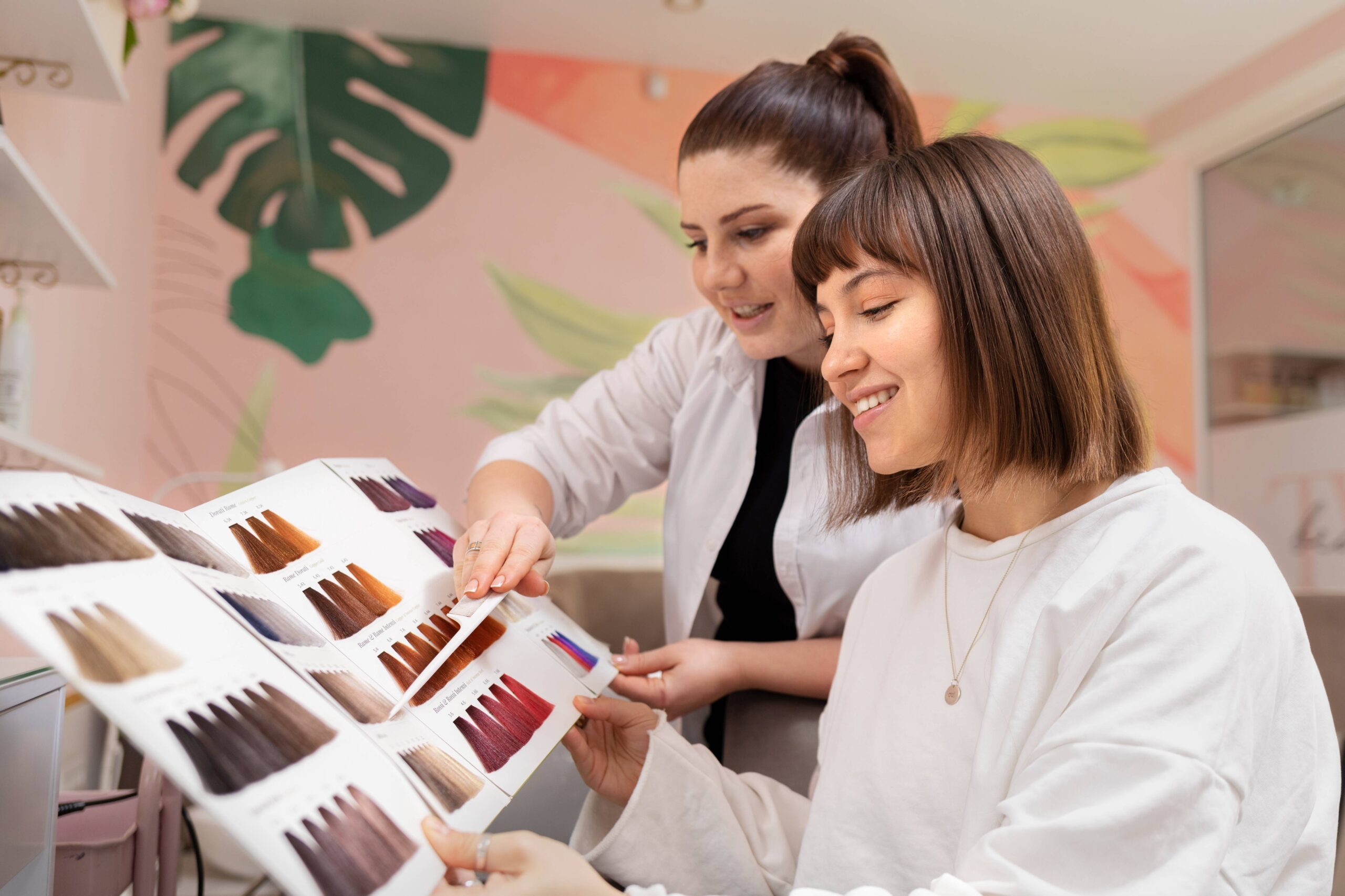
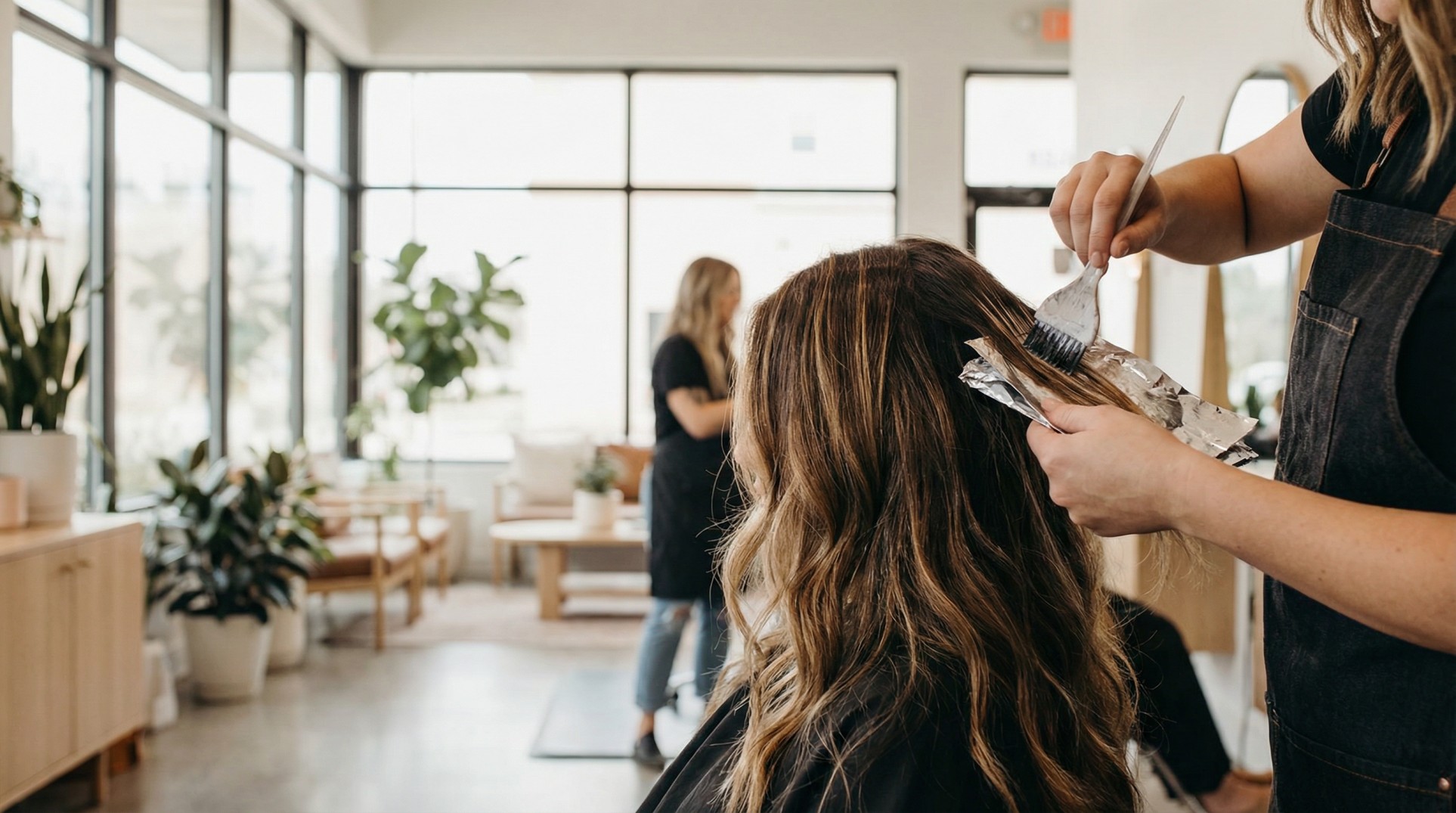
Ammonia-free, PPD-free colour, like the Aveda and O&M formulas we use at Eco Hair, significantly reduces the chemical load of any colour service. Techniques like balayage or highlights — where colour is applied away from the scalp — reduce direct scalp contact further. If you are breastfeeding and want to colour your hair, a conversation with your midwife or GP alongside a consultation with us is the right approach.
How Eco Hair Studio Specifically Supports Postpartum Clients

➔ K-Tip Extensions For Volume and Confidence
One of the hardest parts of postpartum hair loss is the loss of volume and density — particularly around the hairline and temples.
K-Tip (keratin bond) hair extensions can restore volume, length, and confidence while your natural hair recovers.
Our K-Tip extensions are applied bond-by-bond using single-donor human hair, making them among the most natural-looking and least damaging extension methods available.
We specifically offer K-Tip consultations for clients experiencing postpartum or menopause-related thinning — and we size the application to your current hair condition, not a standard template.
➔ Gentle, Scalp-Safe Colour Formulas
The last thing a recovering postpartum scalp needs is an aggressive ammonia-based formula. Our botanical colour systems are designed to be gentle on sensitised scalps — and postpartum scalps often are more reactive due to hormonal fluctuations. We avoid PPD and ammonia entirely, and we always do a full scalp assessment at your consultation.
➔ A Judgement-Free, Unhurried Consultation
We understand that coming in for a salon appointment with a new baby is an achievement in itself. Our team is trained to have real conversations about what’s happening with your hair and to build a treatment plan that’s realistic for your life right now — not just your hair goals.
🎯 At Your Postpartum Consultation, We’ll Cover:
➠ Current hair density and extent of shedding
➠ Whether extensions are appropriate for your hair condition right now
➠ Colour options that are safe for breastfeeding or postpartum hormone changes
➠ A realistic recovery timeline and what to expect
➠ Home care recommendations to support regrowth
📌 The Bottom Line
Postpartum hair loss is temporary, common, and manageable. The most important things you can do are give your body time, support your nutrition, handle your hair gently, and choose salon treatments that work with your recovery rather than against it.
At Eco Hair Studio, we work with postpartum clients regularly — because we know this phase of life deserves just as much care and expertise as any other. Whether you’re looking for a confidence boost with extensions, a gentle colour refresh, or just an honest conversation about what’s happening with your hair, we’re here.
Frequently Asked Questions
1. Will My Hair Fully Come Back?
For the vast majority of women, yes — hair returns to its pre-pregnancy density within 12 months. Some women notice that their hair texture has changed slightly (straighter to curlier, or vice versa), which is a real phenomenon related to how follicles re-establish themselves post-hormonally.
2. Can I Use Minoxidil (Rogaine) Postpartum?
Minoxidil is not recommended during breastfeeding. If you are not breastfeeding and hair loss persists beyond 12 months, it’s worth discussing with your GP as an option — but it’s generally not appropriate or necessary for standard telogen effluvium.
3. Is Postpartum Hair Loss Worse With Subsequent Pregnancies?
It varies. Some women find it less pronounced in subsequent pregnancies, while others find it similar. The severity is largely driven by the magnitude of the hormonal shift, which can differ between pregnancies.
4. Are There Any Salon Treatments That Can Speed Up Regrowth?
No treatment dramatically accelerates the biological process. However, keeping the scalp healthy, avoiding harsh chemicals, maintaining good nutrition, and managing breakage (so that new regrowth isn’t being lost to breakage at the same rate it’s coming in) all support the recovery process. Some clients also find scalp treatments and bond-building services helpful during this phase.