🔑 Key Takeaways:-
➡️ Gentle on Sensitive Scalps – Ammonia-free and PPD-free hair colours help reduce irritation, itching, redness, and burning sensations, making them ideal for people with sensitive skin.
➡️ Lower Risk of Allergic Reactions – PPD-free formulas are a safer option for individuals prone to allergies or scalp sensitivity caused by traditional hair dyes.
➡️ Healthier Hair Experience – Ammonia-free colour helps retain moisture and reduces dryness, leaving hair softer, shinier, and healthier-looking after colouring.
➡️ Comfortable Colouring Process – Without the harsh ammonia smell, the application process becomes more pleasant and less overwhelming.
➡️ Safe Beauty Without Compromise – Modern ammonia-free and PPD-free hair colours provide vibrant, long-lasting results while prioritising scalp comfort and hair health.
Introduction:-
If you have a sensitive scalp, colouring your hair can often feel risky. Many traditional hair dyes contain harsh chemicals like ammonia and PPD (para-phenylenediamine), which may cause irritation, itching, redness, dryness, or even allergic reactions. This is why more people are turning to ammonia-free and PPD-free hair colour options that are designed to be gentler on both the scalp and hair.
Ammonia-free hair colour helps reduce the strong chemical smell and minimises scalp discomfort while still delivering rich, long-lasting colour. At the same time, PPD-free formulas are ideal for individuals who are prone to allergies or sensitivity, making the colouring process safer and more comfortable. Choosing the right hair colour is not only about achieving the perfect shade — it’s also about protecting your scalp health and maintaining strong, healthy-looking hair.
We’ll explore why sensitive scalps benefit from ammonia-free and PPD-free hair colour, and how these safer alternatives can give you beautiful results without the irritation.
Why Traditional Hair Colour Can Trigger Scalp Irritation
Traditional hair dyes often contain strong chemicals designed to open the hair cuticle quickly and lock in pigment deeply. While effective for colour payoff, these ingredients can be harsh on sensitive skin.
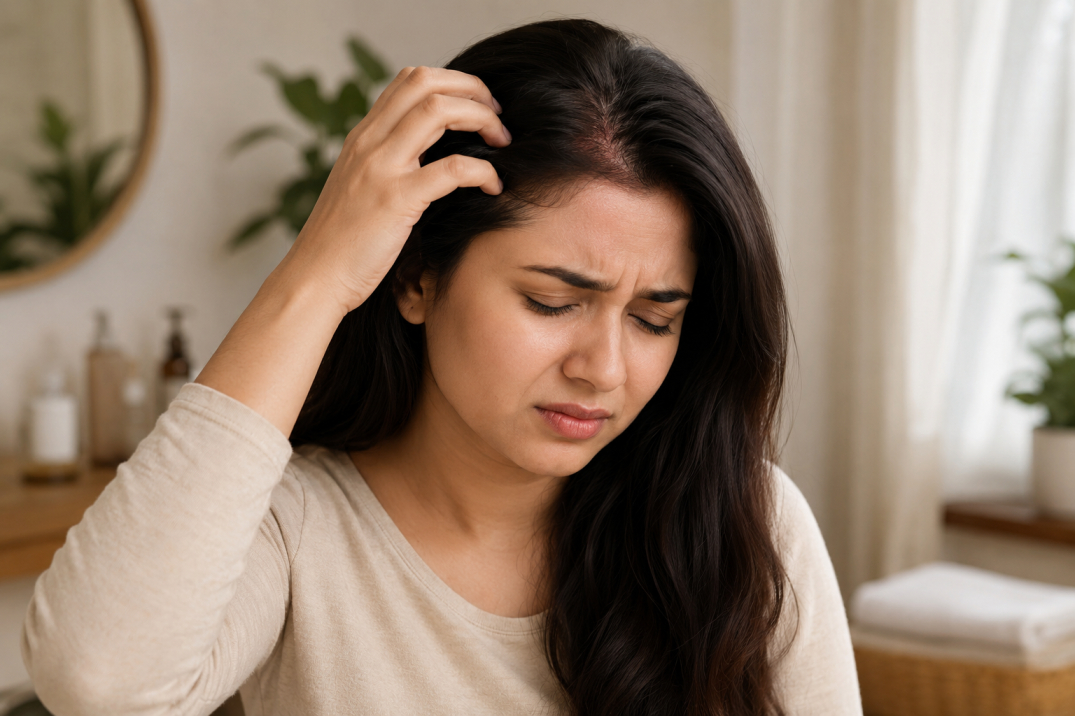
The scalp is delicate. When exposed to aggressive formulas repeatedly, irritation can build over time. Some people notice dryness and itchiness immediately, while others develop sensitivity gradually after years of colouring.
Common reactions include:
- Burning or stinging sensations
- Redness around the scalp or hairline
- Dry, flaky skin
- Tenderness after colouring
- Increased sensitivity during future appointments
For people already prone to eczema, allergies, or reactive skin, strong colour formulas can feel especially uncomfortable.
What Makes Ammonia-Free Hair Colour Gentler On The Scalp
Ammonia has long been used in hair colouring to open the hair shaft so pigment can penetrate deeply. The downside is its harsh smell and aggressive effect on both hair and scalp. Ammonia-free colour works differently. These formulas use gentler alternatives that help colour absorb without creating the same intense scalp discomfort.
Many clients notice the difference almost immediately. The salon environment feels less overwhelming, there’s less chemical odour, and the colouring process feels calmer overall. Another benefit is how the hair feels afterwards. Instead of becoming overly dry or brittle, ammonia-free formulas often leave hair softer, shinier, and more manageable.
For someone with a sensitive scalp, that softer approach can completely change the colouring experience.
Understanding The Risks Of PPD In Hair Dyes
PPD, short for paraphenylenediamine, is a common ingredient used in permanent hair dye. It helps create darker, longer-lasting shades, but it’s also one of the most recognised hair dye allergens worldwide.
Not everyone reacts to PPD, but for sensitive individuals, the reaction can be serious.
Symptoms may include:
- Swelling around the scalp or face
- Severe itching
- Rash or blistering
- Skin irritation lasting days
- Increased allergic sensitivity over time
What makes PPD tricky is that reactions can develop suddenly. Someone may use the same colour for years before experiencing sensitivity.
That unpredictability is one reason many salons now offer PPD-free alternatives for clients who want safer colour experiences.
Key Benefits Of Choosing PPD-Free Hair Colour
PPD-free colour has become increasingly popular among people who prioritise scalp comfort and cleaner beauty choices.
The benefits go beyond avoiding allergic reactions.
➡️ Gentler Colour Experience:- Without harsh sensitising ingredients, many clients experience less irritation during appointments.
➡️ Better for Reactive Skin:- People with allergies or sensitive skin often tolerate PPD-free colour more comfortably.
➡️ Reduced Chemical Exposure:- Clients looking for low-toxic beauty options appreciate formulas with fewer aggressive chemicals.
➡️ Healthier-Looking Hair:- Gentler formulas often help preserve moisture and shine rather than stripping the hair completely.
➡️ More Comfortable Salon Visits:- For many people, colouring stops feeling stressful and starts feeling enjoyable again.
Signs Your Scalp May Be Sensitive To Hair Colour
Some people assume scalp irritation is simply part of colouring hair. It isn’t.
Your scalp may be sensitive if you regularly experience:
- Tingling during colour application
- Persistent itching afterwards
- Tightness or soreness on the scalp
- Dry patches near the hairline
- Redness after salon appointments
- Strong reactions to fragranced products
Even mild discomfort is worth paying attention to. Sensitivity often becomes more noticeable over time if the same harsh formulas continue to be used repeatedly.
How Clean Hair Colour Technology Is Changing Modern Salons
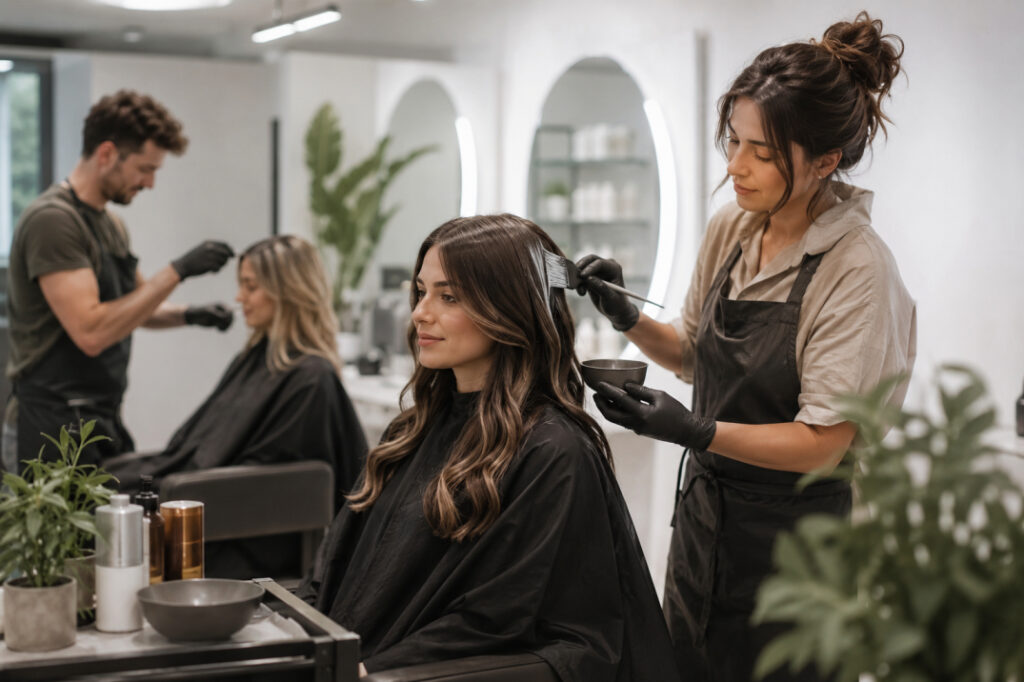
The beauty industry has shifted dramatically in recent years. Clients are asking smarter questions about ingredients, scalp health, and long-term hair care.
As a result, modern salons are investing in cleaner colour systems that prioritise both performance and comfort.
Today’s professional formulas are designed to deliver:
- Rich colour without excessive chemical exposure
- Better grey coverage with gentler ingredients
- Improved shine and softness
- Reduced scalp irritation
- More natural-looking dimension
This isn’t about sacrificing results. In many cases, cleaner colour technology actually improves the overall finish because healthier hair reflects colour more beautifully.
The Difference Between Natural-Looking Colour and Harsh Chemical Colour
There’s a noticeable difference between healthy-looking colour and overly processed colour. Harsh formulas can sometimes leave hair looking flat, overly dry, or unnaturally dense in tone. Gentler colouring systems tend to create softer dimensions and more natural movement.
Hair that feels healthy usually looks more expensive, too. Instead of chasing dramatic colour changes that damage the scalp and strands, many clients now prefer lived-in, glossy tones that enhance their natural beauty without overwhelming the hair. That softer approach often pairs perfectly with ammonia-free and PPD-free colouring methods.
Why More Clients Are Switching To Low-Toxic Hair Colour Solutions
People are becoming more mindful about what they put on their skin and hair. That awareness has extended into salons as well.
Clients are no longer choosing hair colour based only on shade charts. They’re asking about ingredient safety, scalp health, and long-term maintenance.
Low-toxic hair colour appeals to people who want:
- Cleaner beauty routines
- Fewer harsh chemical smells
- Better sensitive scalps comfort
- Healthier hair texture
- A more wellness-focused salon experience
For many salons, offering gentle colour systems is no longer a luxury — it’s becoming an expectation.
How Professional Salons Protect Sensitive Scalps During Colour Treatments
Experienced colourists know that sensitive scalps require extra care.
A professional salon may protect the sensitive scalps by:
- Performing patch tests before appointments
- Using sensitive scalp-protecting barrier creams
- Choosing ammonia-free or PPD-free formulas
- Avoiding unnecessary overlapping in sensitive areas
- Monitoring sensitive scalp reactions during processing
- Recommending calming aftercare products
These small details make a major difference in overall comfort.
The Long-Term Benefits Of Gentle Hair Colour Formulas
Healthy colouring is not just about today’s appointment. It’s about protecting the condition of the hair and sensitive scalps long-term.
Gentler colour formulas can help:
- Maintain a sensitive scalp’s balance
- Reduce ongoing sensitivity
- Preserve natural moisture
- Improve hair manageability
- Prevent excessive dryness and breakage
When the sensitive scalp feels healthy, hair often grows and behaves better, too.
Choosing The Right Salon For Sensitive Scalps Hair Colour Services
Not every salon specialises in sensitive scalp colouring, which is why consultation matters.
Look for salons that:
- Offer ammonia-free and PPD-free options
- Ask detailed questions about allergies or sensitivities
- Prioritise the health of sensitive scalps during consultations
- Use professional-quality low-toxic colour systems
- Recommend personalised aftercare
A good stylist won’t dismiss sensitive scalp discomfort as “normal.” They’ll work with you to create colour results that feel just as good as they look.
FAQs
1. Is Ammonia-Free Hair Colour Better For Sensitive Scalps?
Yes. Ammonia-free formulas are generally gentler and less irritating because they avoid the harsh chemical smell and aggressive, sensitive scalps associated with traditional colour.
2. What Does PPD-Free Mean In Hair Dye?
PPD-free means the formula does not contain paraphenylenediamine, a common ingredient linked to allergic reactions in some hair colour users.
3. Can PPD-Free Hair Dye Still Cover Grey Hair?
Absolutely. Many modern PPD-free formulas provide excellent grey coverage while remaining gentler on sensitive skin.
4. How Do I Know If I’m Allergic To Hair Dye?
Common signs include itching, redness, swelling, burning, or rash after colouring. A professional patch test is the safest way to check for reactions.
5. Are Gentle Hair Colour Formulas Less Long-Lasting?
Not necessarily. Today’s advanced ammonia-free and PPD-free colours can deliver long-lasting results while maintaining better hair and the health of sensitive scalps.