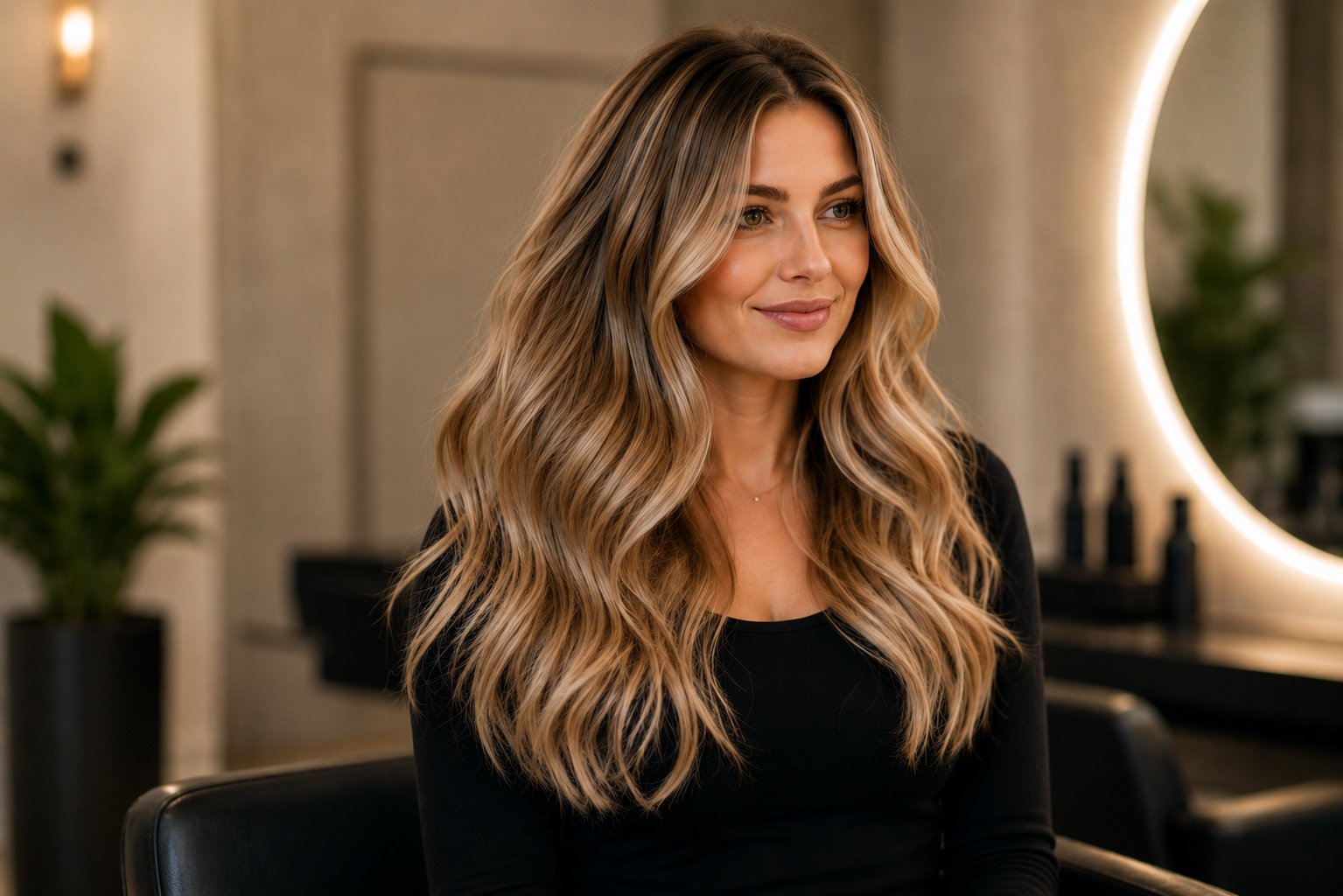
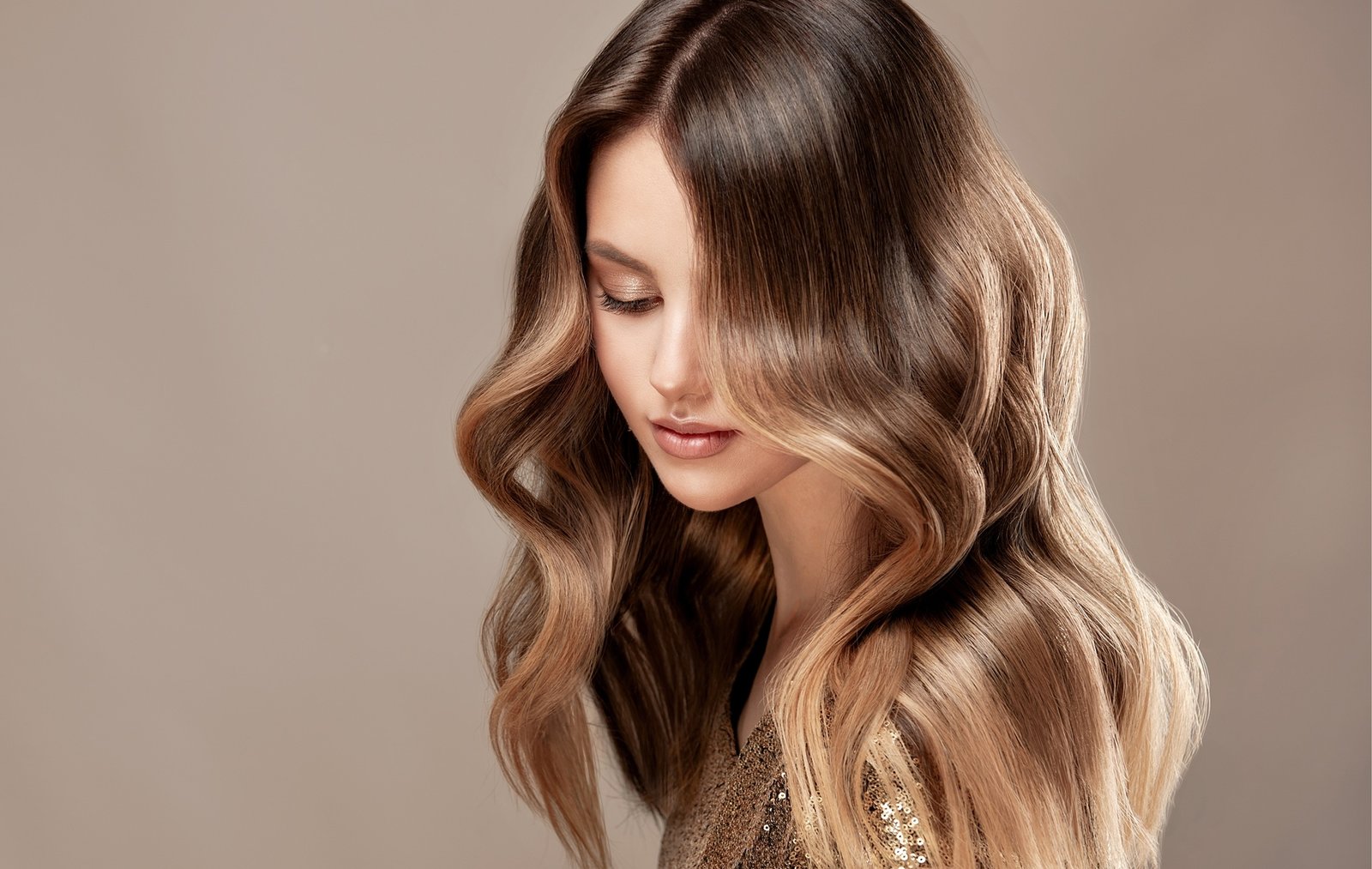
Balayage is one of the most beautiful, natural-looking colour techniques available — but even the most low-maintenance colour needs the right balayage upkeep routine to stay vibrant, blended, and fresh between appointments. This guide covers exactly how to take care of balayage hair at home, from your daily wash to your monthly deep treatment.
What Is Balayage Upkeep? Setting Realistic Expectations
Balayage upkeep is significantly less demanding than root-to-tip colour or traditional highlights — which is one of the technique’s greatest advantages. Because the colour is placed mid-shaft to ends with no harsh root line, you can go 12–16 weeks between appointments without your colour looking “grown out.” But balayage upkeep at home still matters: the right products and habits dramatically extend your results and keep your lighter sections from going brassy.
The Complete Hair Care Routine for Balayage Hair
Step 1 — Shampoo: Sulphate-Free, Every Time
The foundation of any hair care routine for balayage is sulphate-free shampoo. Sulphates — the harsh detergents in most supermarket shampoos — strip colour pigment from the hair with every wash, accelerating fade significantly. Switch to a sulphate-free formula and your colour will last measurably longer between appointments. This single change has the most impact on balayage upkeep of any product decision you make.
Step 2 — Toning Shampoo: Weekly Brass Control
Balayage’s lighter sections oxidise over time, developing warm yellow and orange tones (brassiness). A purple or blue toning shampoo used once per week neutralises these warm tones and keeps your lighter sections looking clean and cool. Leave it on for 3–5 minutes before rinsing — any longer risks over-toning to a grey or violet cast.
Step 3 — Condition: Mid-Lengths to Ends Only
Lightened hair sections need more moisture than natural hair. Apply conditioner from mid-shaft to ends after every wash — never at the root, where it can weigh hair down and cause scalp build-up. Once a week, substitute your regular conditioner for a deep conditioning mask. This is the most important ongoing step in how to take care of balayage hair that stays soft and lustrous.
Step 4 — Heat Protection: Every Time You Style
Heat styling without protection causes lightened sections to dry out and look dull. As part of your hair care routine for balayage, apply heat protectant spray or serum before every use of a blow-dryer, straightener, or curling iron. Many quality heat protectants also include UV filters — dual protection in one step.
Step 5 — Air Dry When Possible
One of balayage’s great advantages is that it air-dries beautifully — no harsh root line to hide under a blow-dry. Letting your hair air-dry on days you have time reduces heat exposure, extends colour vibrancy, and is simply the best balayage upkeep habit you can develop.
Protecting Balayage from Fading Causes
Sun Exposure
UV rays fade and oxidise hair colour, particularly the lighter sections of a balayage. Apply a UV protection hair product or spray before long periods outdoors — especially at the beach or pool. Many heat protectants also offer UV protection, making them a dual-purpose product.
Chlorine and Salt Water
Both chlorine and salt water are extremely harsh on balayage colour. Before swimming, saturate your hair with fresh water (hair that is already wet absorbs less pool water) and apply a leave-in conditioner or oil as a barrier. Rinse your hair immediately after swimming.
Hard Water
If your tap water is high in minerals — a common issue in parts of Perth — it can cause mineral build-up that dulls colour and makes hair feel rough. A chelating or clarifying shampoo used once a month removes mineral build-up without stripping colour, as long as you follow with a deep conditioner.
When to Book Your Next Appointment
With proper balayage upkeep, most clients comfortably go 12–16 weeks between appointments. Signs it is time to book: visible brassiness that toning shampoo no longer corrects, significant vibrancy fade, or you are simply ready for a refresh. Because balayage grows out so naturally, you can always book a toning service between full colour appointments to refresh the look without the full appointment investment.
Frequently Asked Questions
How to take care of balayage hair if I exercise heavily?
Sweat can affect colour and scalp health. Rinse hair with cool water after exercise, avoid tight ponytails on wet post-workout hair, and use a sulphate-free shampoo for any post-gym wash. Dry shampoo between wash days minimises colour-stripping over-washing.
What is the best hair care routine for balayage for pool swimmers?
Pre-wet hair with fresh water, apply a leave-in conditioner or protective oil before entering the pool, and rinse immediately after swimming. Use a clarifying shampoo monthly to remove chlorine build-up — follow immediately with deep conditioning to restore moisture.
How often should I do a hair care routine for balayage toning treatment?
Purple/blue toning shampoo: once per week for most clients. Deep conditioning mask: once per week. In-salon gloss or toning service to refresh vibrancy: every 6–8 weeks between full balayage appointments is ideal for high-maintenance blondes.
Book Your Balayage Appointment in Claremont Perth
Natural balayage · Ammonia free colour · Take-home aftercare advice
Book: ecohairstudio.com.au · Call: (08) 6114 1635
Times Square, Shop 17, 1–26 Avion Way, Claremont WA 6010