A hair dye allergy — specifically a PPD reaction — is more common than most people realise, and the symptoms are often more serious than a simple skin irritation. This guide covers everything you need to know about the ppd chemical in hair dye, how to recognise a hair colour reaction, what treatment for hair dye allergy looks like, and — critically — what you can do if you want to continue colouring your hair safely.
What Is PPD? The PPD Chemical in Hair Dye Explained
PPD stands for paraphenylenediamine — a synthetic aromatic amine that acts as the primary pigment agent in most permanent hair colour. The ppd chemical in hair dye works by oxidising in the presence of developer (hydrogen peroxide), creating large colour molecules that become permanently trapped inside the hair cortex.
The problem with the ppd chemical in hair dye is that PPD is also a potent contact sensitiser. Exposure can cause the immune system to develop a specific sensitivity to it. Once sensitised, every subsequent exposure — even to tiny amounts — triggers a progressively worse immune response. This is why ppd in hair dye allergies can appear suddenly after years of problem-free colouring.
PPD Reaction Symptoms: What a Hair Colour Reaction Looks Like
A ppd reaction (also called a ppd in hair dye reaction, dye allergic reaction, or hair color reaction) typically occurs 24–72 hours after exposure — not immediately. This delayed response is characteristic of Type IV contact hypersensitivity, the immune mechanism behind most hair dye allergy ppd cases.
| Severity | Symptoms of Hair Colour Reaction |
|---|---|
| Mild PPD reaction | Itching, redness, mild swelling at hairline, ears, or scalp. Minor hair colour reaction. |
| Moderate ppd hair dye allergy | More significant swelling, rash extending beyond hairline, blistering, oozing skin. |
| Severe allergic reaction to hair dye on scalp | Extensive facial swelling, difficulty breathing, anaphylaxis. Medical emergency — call 000. |
Allergic Reaction to Hair Dye on Scalp: Specific Symptoms
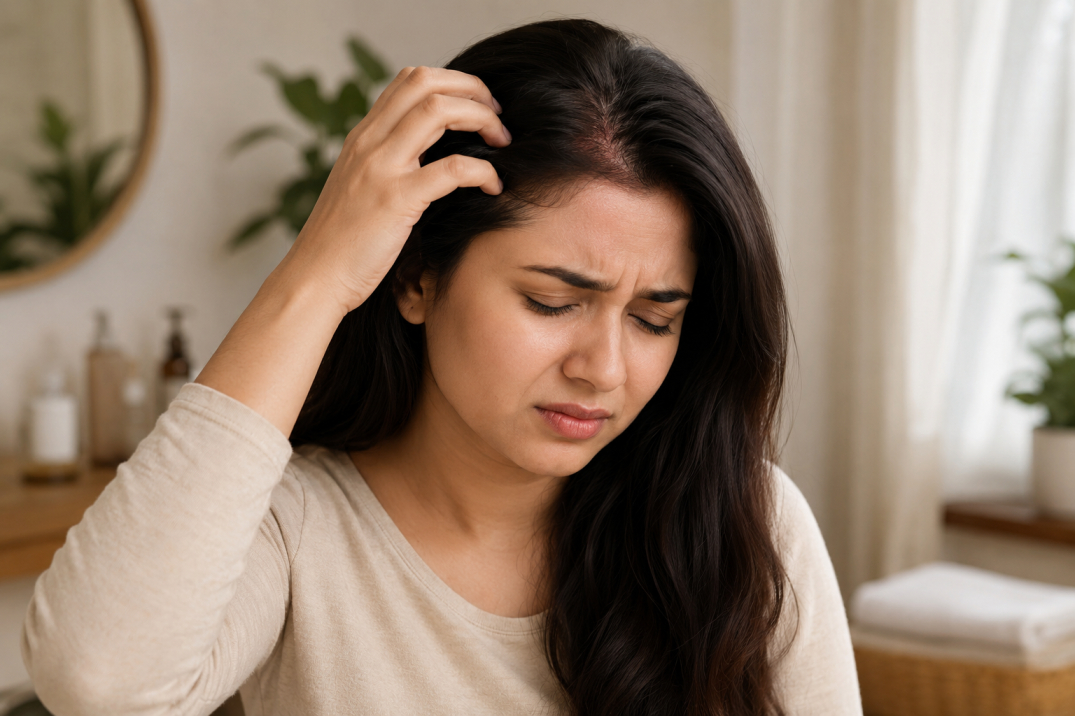
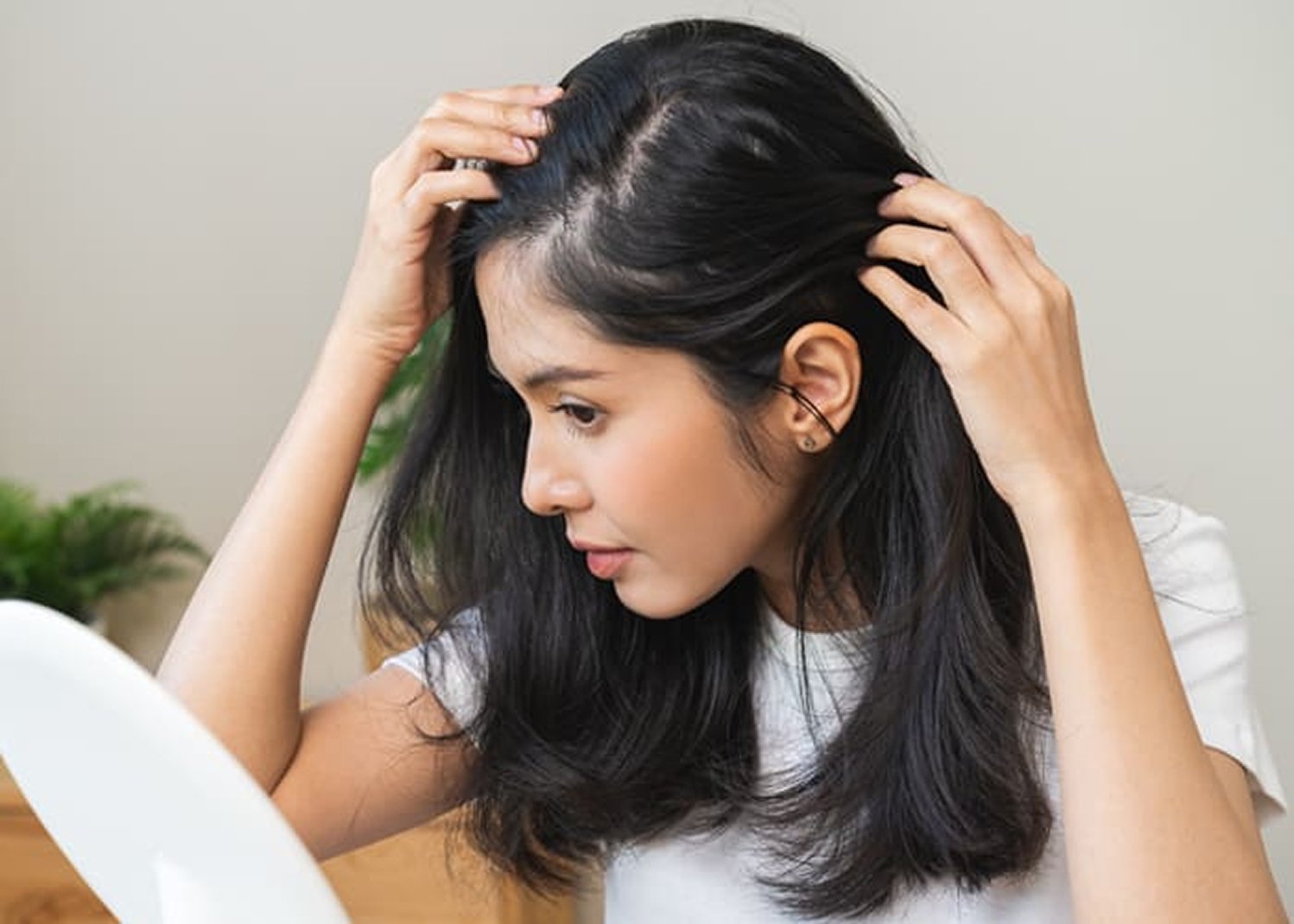
An allergic reaction to hair dye on scalp often presents differently from a reaction on the hairline or neck. On the scalp, you may notice burning or stinging during or after the appointment, intense itching that starts hours after dyeing, redness and warmth under the hair, and in more severe cases, weeping or crusting of the scalp skin. An allergic reaction to hair dye on scalp can also cause the surrounding lymph nodes (behind the ears, at the neck) to become tender and swollen.
Allergy to Blue Dye Symptoms — Is It Always PPD?
Clients often ask about allergy to blue dye symptoms specifically — particularly those who have had reactions after vivid colour services. While PPD is the most common culprit in permanent hair colour reactions, vivid and fashion colour shades can also contain other sensitising compounds. Allergy to blue dye symptoms are similar to general hair dye reactions: itching, redness, swelling, and blistering at the application site. If you have experienced allergy to blue dye symptoms, an allergy test with a dermatologist can identify the specific compound responsible.
Allergic Reaction to PPD Skin Test: What It Means
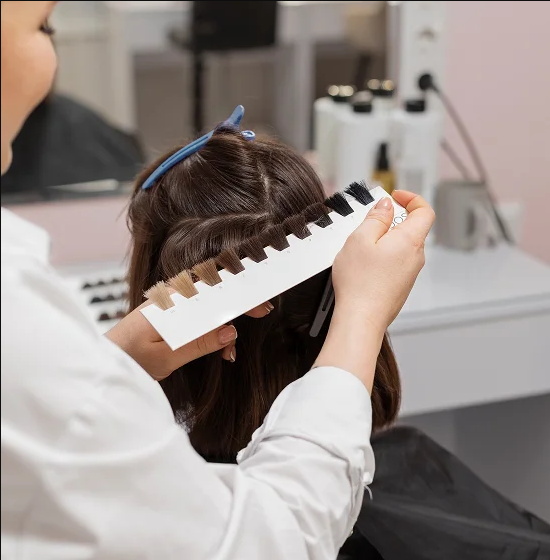
A patch test (allergic reaction to ppd skin test) involves applying a small amount of colour formula to the skin — typically behind the ear or on the inner forearm — and monitoring for reaction over 48 hours. A positive allergic reaction to ppd skin test (redness, itching, swelling, or blistering at the patch site) means your immune system has identified PPD as a threat. You should not proceed with that formula.
A negative patch test in the past is not a lifetime guarantee — sensitisation can develop at any point, which is why testing before every appointment is essential professional practice.
When to Seek Emergency Medical Help
- Swelling of the face, lips, throat, or tongue — seek emergency care immediately.
- Difficulty breathing or swallowing — call 000.
- Widespread hives or rash extending well beyond the treated area.
- Severe blistering or weeping skin at the dye application site that does not resolve within 24 hours.
- Any reaction that worsens after 48 hours rather than improving.
Treatment for Hair Dye Allergy: What to Do
Treatment for hair dye allergy depends on the severity of the reaction. For mild reactions: rinse the product off immediately with cool water, apply a gentle hydrocortisone cream (available from a pharmacy) to reduce inflammation, and take an oral antihistamine for itching. For moderate reactions: see your GP who may prescribe stronger topical corticosteroids. For severe reactions: seek emergency care.
Treatment for hair dye allergy does not cure the underlying PPD sensitivity — it manages the symptoms of a specific reaction. Once sensitised to PPD, you remain sensitised. This is why finding a PPD free colour alternative is critical rather than simply managing reactions after they occur.
Hair Dye for PPD Allergy: Safe Alternatives at Eco Hair Studio
If you have a confirmed ppd hair color allergy or ppd allergy hair dye history, you may believe permanent colour is no longer possible. In many cases, that is not true. The right hair dye for ppd allergy exists — and we use it at Eco Hair Studio.
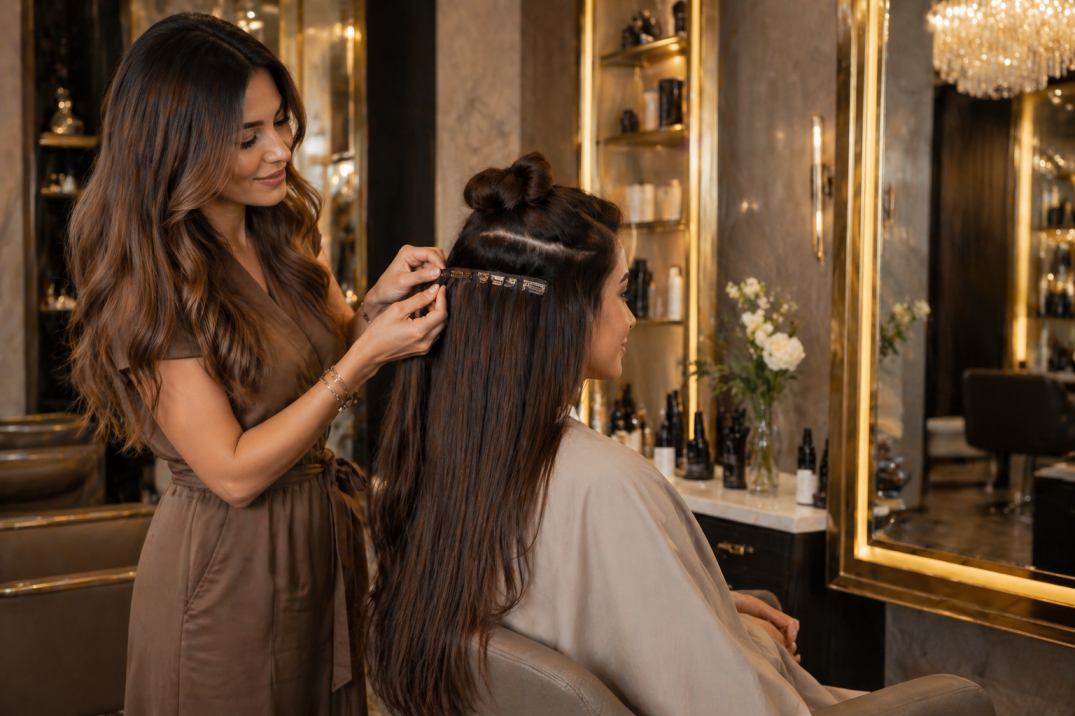
O&M (Original & Mineral) professional colour is both ammonia free and PPD free — making it one of the safest colour choices globally for clients with ppd in hair dye allergies. We use O&M as standard at Eco Hair Studio, which means every client — not just those with ppd hair dye allergy history — benefits from this safer formulation.
- PPD free grey coverage — fully effective with O&M’s professional system.
- PPD free balayage and highlights — all services available without PPD.
- 48-hour patch test with the specific formula before every appointment — non-negotiable.
FAQs
1. Can I ever colour my hair again after a PPD reaction?
In many cases yes — using a PPD free formula like O&M. If you have had a severe dye allergic reaction, consult an allergist before your next appointment. They may conduct formal allergy testing to confirm which ingredients trigger your reaction. We work with clients who have allergy histories to find a safe solution.
2. What is the difference between ppd in hair dye reaction and normal scalp tingling?
Some mild tingling or warmth during colour processing is normal with higher-volume developer. A ppd in hair dye reaction involves itching, redness, swelling, or blistering — during or after the appointment. Never ignore these symptoms. Tell your stylist immediately and the colour should be rinsed off.
3. Is hair dye for ppd allergy available for vivid or fashion colours?
Yes. O&M’s PPD free and resorcinol free professional colour range includes formulas specifically designed for grey coverage. The coverage is excellent — comparable to traditional PPD-containing formulas. We use this system at Eco Hair Studio for all clients, including those seeking grey coverage.
Book a PPD Free Colour Consultation Perth
O&M PPD free colour · Ammonia free · Safe for sensitive and allergy-history clients.
Book: ecohairstudio.com.au · Call: (08) 6114 1635
Times Square, Shop 17, 1–26 Avion Way, Claremont WA 6010