🔑 Key Takeaways
- Grey hair changes more than color — It often becomes coarser, drier, and more resistant to styling because aging affects the hair follicle and scalp environment.
- Loss of melanin impacts texture — As pigment production decreases, hair strands may feel rougher, thicker, or more wiry than before.
- Lower oil production after 40 matters — The scalp produces less natural oil, which can leave grey hair feeling dry, frizzy, and less manageable.
- Hormonal shifts influence hair quality — Changes linked to aging, including hormonal fluctuations, may affect moisture, density, and overall texture.
- Grey hair can change curl patterns — Straight hair may become wavy, and existing curls can appear tighter or more defined over time.
- Hydration becomes essential — Grey hair usually benefits from deep conditioning, leave-in treatments, and gentler hair care routines.
💡 Introduction:-
Grey hair is not just about color. Many people notice something surprising when they pass forty: their hair suddenly feels rougher, coarser, drier, curlier, or even more stubborn than before. It can seem like your hair changed its personality overnight. Science shows that this isn’t your imagination. Hair follicles gradually produce less melanin as we age, and changes inside the follicle affect both color and texture. Researchers studying melanocyte stem cells found that aging affects the pigment system inside hair follicles, which helps explain why greying and texture shifts often happen together.
The Hidden Science Behind Grey Hair
➡️ What Happens Inside The Hair Follicle
Most people think grey hair appears because hair simply “runs out of color.” The reality is more fascinating. Hair color comes from melanin, created by cells called melanocytes inside the hair follicle. Over time, these cells slow down or stop producing pigment.
But color is only half the story. Hair follicles themselves age. Imagine a factory that has been running for decades. The same thing happens with hair. The follicle changes shape, oil production shifts, and the growth cycle becomes less predictable. The result is hair that not only looks silver but feels completely different.
Many people describe their first grey strand as “wire-like.” Others say it feels thicker or strangely springy. That texture shift often happens because the structure of the hair shaft changes as pigmentation declines. Research also suggests hair texture naturally evolves with age, affecting smoothness, softness, and shine.
➡️ Why Pigment Loss Changes More Than Color
Grey hair is often mistaken for old hair, but it is actually new hair growing differently. Each strand emerges from the scalp with altered properties. Without normal pigment production, the internal arrangement of the hair shaft can feel different. Some studies even describe white and grey hair as having more air spaces, creating a rougher texture.
Think of pigmented hair like polished wood and grey hair like unfinished timber. Both are strong, but one feels smoother. That is why people who never struggled with frizz suddenly start searching for leave-in conditioners after forty.
There is also a psychological layer. Grey hair changes gradually, so texture differences become more noticeable because they arrive at the same time as visible silver strands. You are seeing and feeling change together, making it seem dramatic even when it happens slowly over several years.
Why Grey Hair Feels Coarser
👉 Texture Shifts After Forty
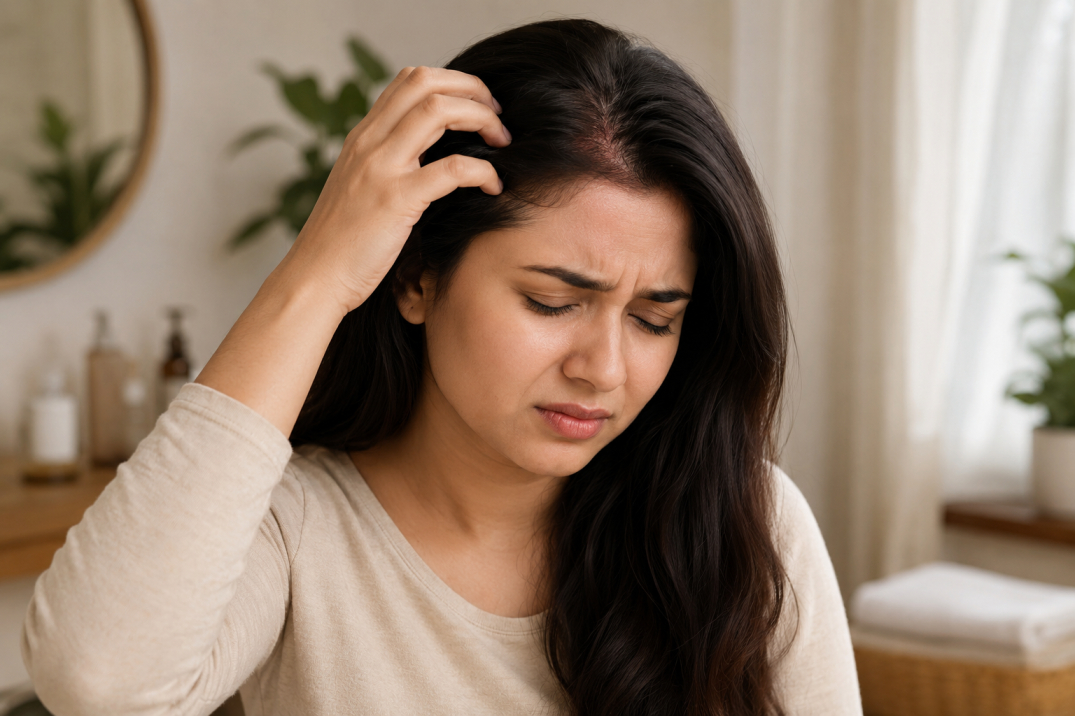
One of the biggest complaints about grey hair is that it feels tougher. You run your fingers through your hair and suddenly encounter strands that seem to have their own agenda. They stand upright, resist styling, and sometimes refuse to lie flat.
This happens partly because aging affects the follicle’s output. Hair texture is influenced by follicle shape, protein structure, moisture balance, and scalp condition. As these factors shift, grey strands may emerge thicker or appear more rigid. Hair texture changes are considered a normal part of aging and vary from person to person.
Interestingly, not everyone experiences coarser hair. Some people notice the opposite: their hair becomes finer and thinner. Genetics plays a huge role. If your parents developed soft silver hair, you may follow the same path. Genetics strongly influences greying timing and hair changes.
👉 Changes In Natural Oils
Your scalp is like a garden soil system. When it produces enough natural oils, hair stays flexible and hydrated. After forty, oil production often declines. Less oil means less lubrication, and grey hair begins to feel rough or brittle.
This dryness creates friction between strands. Hair tangles more easily, loses shine, and becomes harder to manage. Many people mistakenly increase shampoo frequency, which can make things worse. It is like watering a plant with less and less moisture while expecting it to bloom.
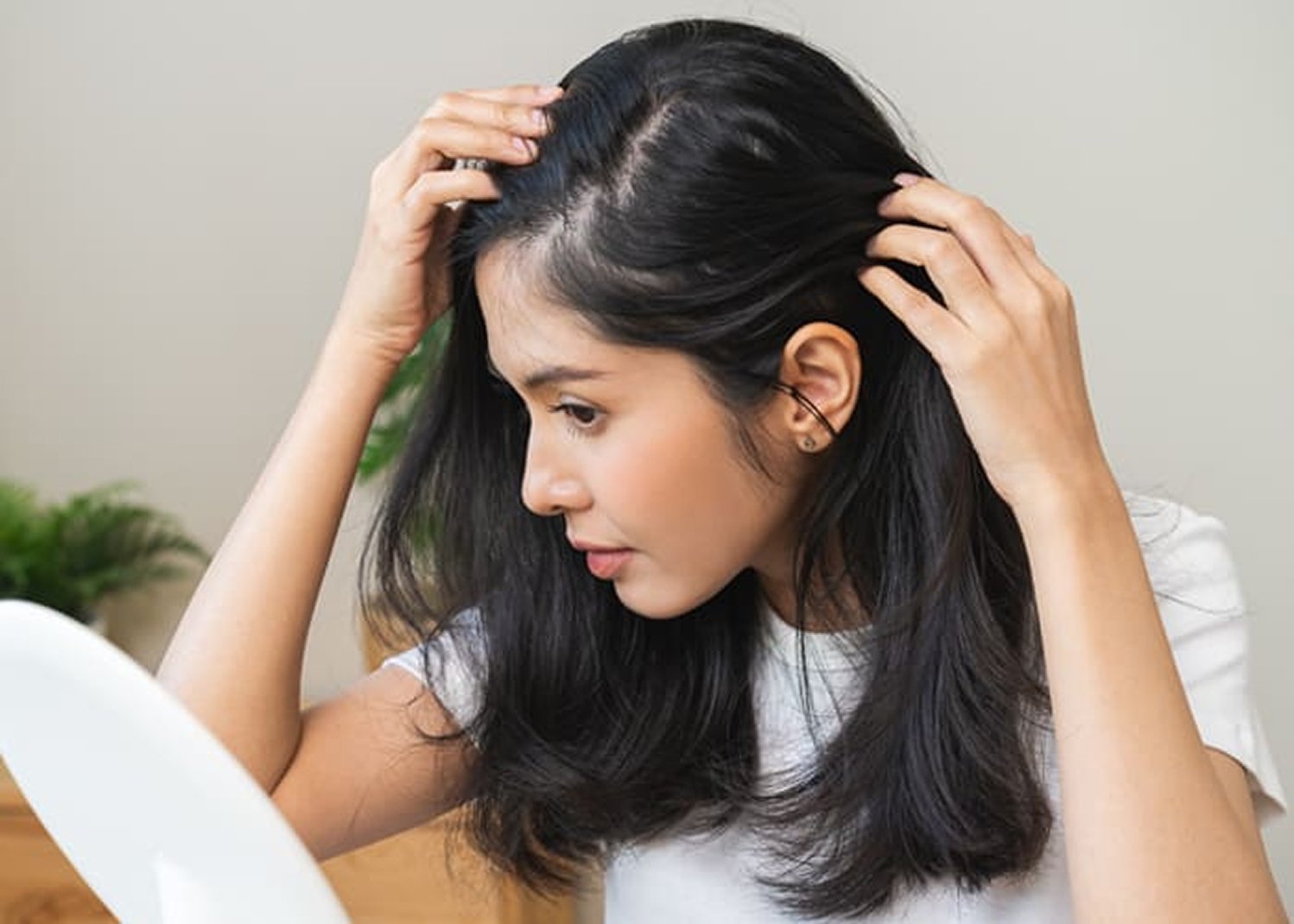
Aging also affects scalp health itself. Reduced elasticity, slower renewal, and environmental exposure all play a role. Years of sun exposure, pollution, heat styling, and stress can quietly add up, influencing how hair behaves decades later.
The Effect Of Aging and Hormones
✅ Hormonal Changes
As you near forty, hormonal changes may influence your hair’s performance. Women nearing perimenopause may notice increased dryness, changes in texture, and thinning. Men may notice changes in density and growth patterns.
Hormones influence sebum production, which directly affects softness. Imagine turning down the volume on a speaker. The music still plays, but it loses richness. Hormonal shifts can do something similar to hair moisture.
This is why someone may say, “My hair used to be silky, but now it feels like straw.” It is rarely just the grey color causing that change. It is a combination of pigment loss, hormone movement, and follicle aging working together.
✅ Collagen and Scalp Aging
Hair lives in an environment created by the scalp. As you age, collagen levels go down, your skin loses its elasticity, and your circulation may change. Hair follicles react to this. Think of the scalp as the soil beneath a tree. Healthy soil supports strong growth. Aging soil changes the conditions. The tree still grows, but its leaves may look different.
This explains why some people suddenly experience waves, curls, or altered volume after forty. The follicle itself is evolving. Hair is not breaking the rules; it is adapting to a new environment.
Why Grey Hair Becomes Dry
✔️ Moisture Loss Changes Everything
Grey hair has a reputation for being dry, and honestly, it earns it. Dryness becomes one of the most noticeable texture changes because moisture helps hair stay smooth and reflective. Without enough hydration, the cuticle layer lifts slightly. Frizz increases. Hair becomes harder to brush. Suddenly, products that worked for twenty years stop delivering results.
This is why many stylists recommend switching routines after greying begins. Heavy shampoos, harsh sulfates, and excessive washing may strip already limited oils. Hydration becomes less of a luxury and more of a necessity.
✔️ Reduced Sebum Production
Sebum is the scalp’s natural conditioner. With age, production may decline, especially around midlife. Reduced sebum means less protection against dryness and environmental damage.
| Hair Stage | Oil Production | Texture Feel | Styling Behavior |
|---|---|---|---|
| Younger pigmented hair | Higher | Softer | Easier shaping |
| Early greying phase | Moderate | Mixed texture | Variable |
| Mature grey hair | Lower | Drier or coarse | More resistant |
Unexpected Curl Patterns In Grey Hair
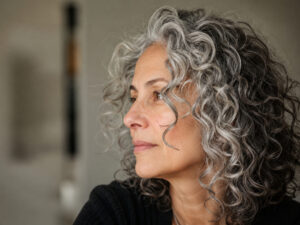
➜ Straight Hair Turning Wavy
One of the strangest experiences people report is straight hair suddenly becoming wavy. It sounds impossible until it happens.
Hair follicles can subtly alter shape with age. When the follicle changes, the strand it produces changes too. Straight hair may develop bends. Loose waves can tighten. Curl patterns shift unexpectedly. It feels almost like meeting a newer version of your own hair. Familiar, yet different.
➜ Why Curls Tighten
Grey curls often become more pronounced because dryness increases the visibility. Less moisture means curls spring upward rather than relax. Imagine a sponge. Wet, it stretches easily. Dry, it becomes firmer. Grey curls behave similarly. This is why hydration products designed for textured hair often work surprisingly well even for people who never considered themselves “curly-haired” before forty.
Caring For Grey Hair After 40
1️⃣ Better Washing Routines
Grey hair usually responds better to gentler care. Washing less frequently can help preserve natural oils. Sulfate-free cleansers may reduce dryness.
➜ A practical routine often includes:
- Mild shampoo two or three times weekly
- Deep conditioning once weekly
- Leave-in hydration products
- Heat protection before styling
- UV protection for outdoor exposure
Consistency matters more than expensive products.
3️⃣ Nutrition Support
Hair health starts internally. Some cases of early greying are associated with vitamin B12 deficiency, thyroid issues, oxidative stress, or nutrient imbalances.
➜ Focus on foods rich in:
- Protein
- Iron
- Zinc
- Vitamin B12
- Omega-3 fats
- Antioxidants
📜Conclusion
Grey hair after forty is not simply colored hair without pigment. It is hair growing under new biological conditions. Follicles age, melanin production declines, oil levels shift, hormones move, and texture evolves. That rough strand you noticed in the mirror is part of a much bigger story happening beneath the scalp.
The good news is that different does not mean damaged. Grey hair can be beautiful, strong, expressive, and full of personality. It just asks for a different conversation than the one you had with your hair at twenty.
❓ FAQs
1. Why Does Grey Hair Feel Thicker Than Normal Hair?
Grey strands may appear thicker because changes in texture and reduced moisture make them feel coarser.
2. Does Everyone Get Rough Grey Hair After 40?
No. Some people experience softer hair while others notice coarseness. Genetics influences the outcome.
3. Can Supplements Stop Grey Hair?
Supplements only help when a deficiency exists. They do not usually reverse age-related greying.
4. Why Is Grey Hair More Frizzy?
Lower oil production and moisture loss increase friction and lift the hair cuticle.
5. Should Grey Hair Be Washed Less Often?
Many people benefit from gentler washing routines because grey hair is often drier.