Key Takeaways
Balayage and highlights continue transforming hair colour with increasingly personalised approaches. The shift towards natural-looking dimension remains paramount, with techniques like colour matching enabling stylists to predict optimal placement and tone distribution before application begins.
Key considerations for 2025 include sustainability—eco-conscious formulations reduce chemical exposure whilst maintaining vibrancy—and low maintenance requirements as low-commitment techniques gain traction. Customisation extends beyond colour choice to professional styling methods that enhance dimensional effects through cutting and finishing.
What typically happens is that successful transformations balance three elements: proper consultation (assessing hair history and lifestyle), strategic application (considering growth patterns and face shape), and realistic aftercare planning. Whether selecting sun-kissed highlights or lived-in balayage, understanding these fundamentals ensures results align with both aesthetic goals and practical maintenance capabilities.
Introduction To 2025 Balayage and Highlights Trends
The hair colour landscape is shifting dramatically as we move into 2025, with balayage reclaiming its position as the most sought-after technique in salons worldwide. What’s changed isn’t the fundamental appeal of hand-painted dimension, but rather how colourists are applying it. This year marks a departure from the heavy, contrasted highlights of recent seasons toward something far more nuanced.
According to NewBeauty’s analysis of summer trends, the defining characteristic of 2025’s balayage trends is their whisper-soft integration. Clients are requesting colour that mimics natural sun exposure—so subtle that it appears to have developed organically rather than through salon intervention. This philosophy extends beyond blonde palettes, with brunettes and redheads equally embracing the barely-there approach.
What makes this evolution particularly noteworthy is the intersection of sustainability and technology. Colour-matching tools are enabling colourists to predict how placements will grow out, whilst eco-conscious formulations are making low-maintenance colour both beautiful and responsible. The result? A perfect storm of innovation that’s transforming how we think about dimensional colour.
Analysis Of Current Colour Trends
The hair trends 2025 landscape reveals a fascinating shift towards what industry professionals call “lived-in luxury”—colour that appears effortlessly sun-kissed rather than visibly processed. According to The Balayage Trends to Embrace This Summer, dimensional colour now dominates client requests, with demand for single-process solid shades dropping by approximately 40% compared to previous years.
Three distinct movements characterise this year’s approach: natural depth preservation (maintaining darker roots whilst brightening mid-lengths); warm tonal shifts (moving away from ash-based colours towards honey and caramel undertones); and what GK Hair identifies as “seasonal adaptability” — colour formulations designed to transition gracefully through multiple washes without harsh regrowth lines.
Interestingly, research from Hair.com shows clients are increasingly requesting colours that complement their natural hair texture and lifestyle, prioritising longevity over dramatic transformation. This pragmatic approach reflects broader wellness trends emphasising authenticity over high-maintenance aesthetics.

Techniques Defining 2025
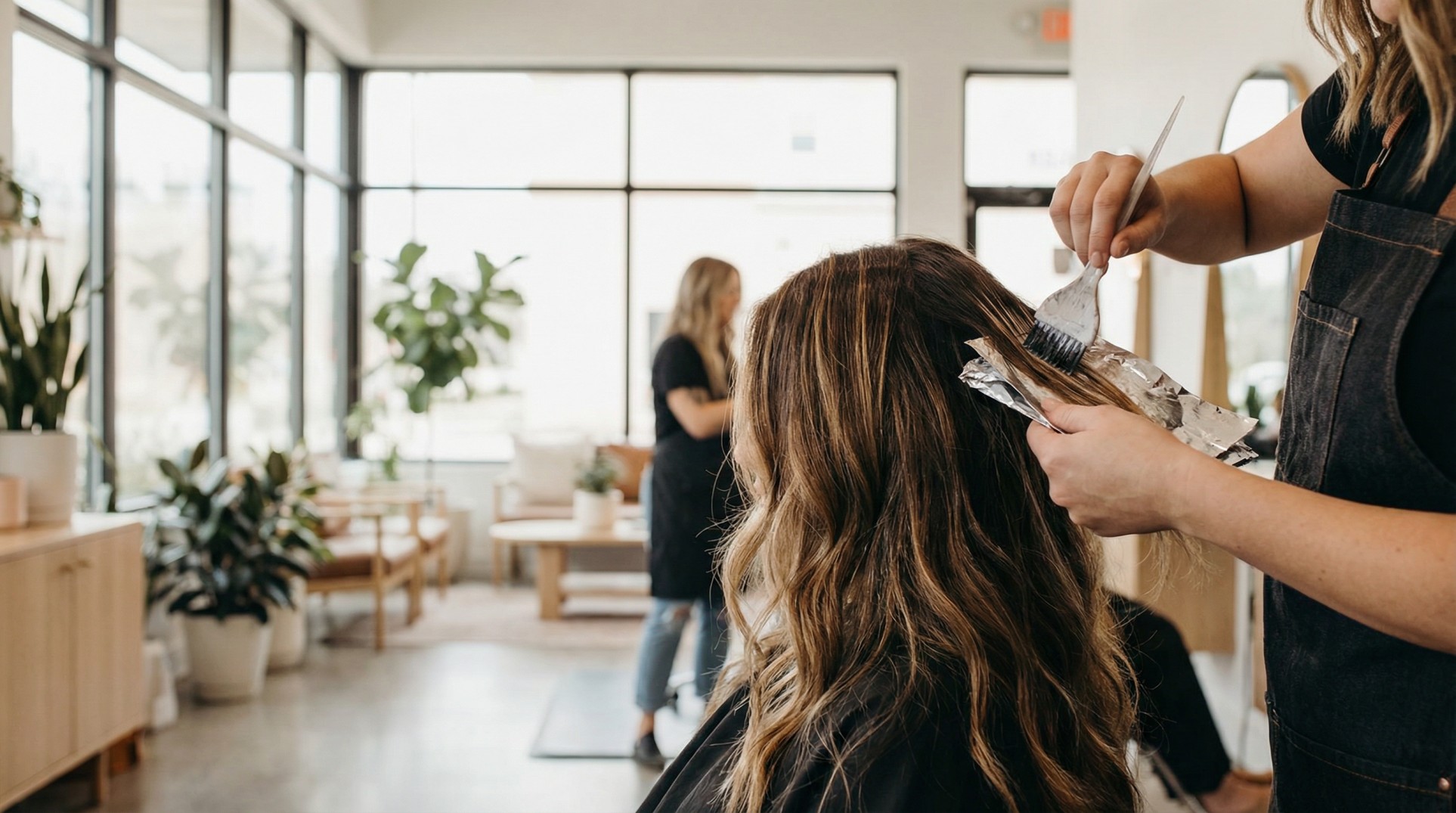
The technical execution of balayage and highlights has evolved significantly, moving beyond simple hand-painting to encompass hybrid approaches that blend multiple colour application methods. According to industry analysis, the most requested techniques combine traditional balayage sweeps with strategically placed foiled highlights around the face for dimensional contrast.
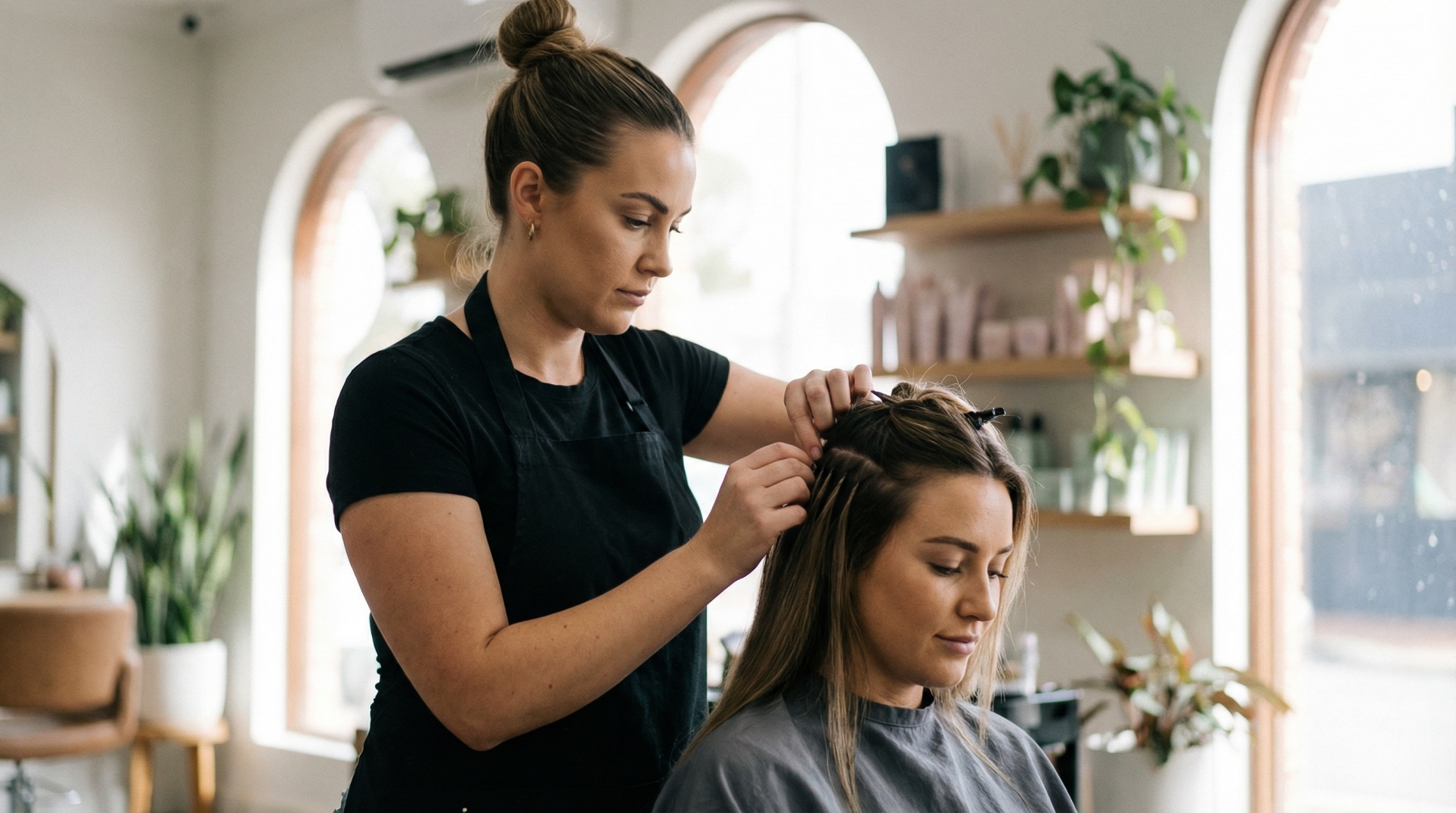
Micro-foiling has emerged as a complementary technique, where ultra-thin sections are lightened to create hair-like strands of brightness that mimic natural sun exposure. This precision work requires sectioning hair into smaller panels than conventional highlighting, allowing colourists to customise placements based on individual face shapes and desired movement patterns.
The shadow root technique has become standard practice rather than an optional add-on, with colourists typically leaving 2-4cm of natural root colour before beginning the lightening process. This deliberate demarcation creates the low-maintenance foundation that clients increasingly prioritise, extending time between salon visits from the traditional 8-10 weeks to 12-16 weeks while maintaining a polished appearance throughout the grow-out phase.
Hair Trends That Are Falling Out Of Favour
As sophisticated colour techniques continue to evolve, several once-popular approaches are being phased out by discerning clients and forward-thinking colourists. The movement towards natural-looking dimensions has rendered certain styles outdated.
Solid block colour has largely fallen out of favour, with clients increasingly rejecting the flat, one-dimensional appearance that lacks depth. Similarly, chunky highlights—those thick, contrasting sections that dominated the early 2000s—are being replaced by the softer, more nuanced placement that blonde balayage offers. According to industry observations, over-processed platinum blonde with visible regrowth lines now appears outdated compared to the seamless root-to-tip transitions that characterise modern techniques.
The overly warm, brassy tones that once accompanied traditional highlighting methods are being abandoned in favour of cooler, more controlled hues. Colourists now prioritise tonal balance and dimensional depth over stark contrast. Additionally, the trend toward maintenance-heavy colour that requires frequent salon visits every four to six weeks is losing appeal, particularly as clients embrace the low-maintenance philosophy that defines contemporary approaches to hair colour.
Expert Insights On Balayage and Highlights
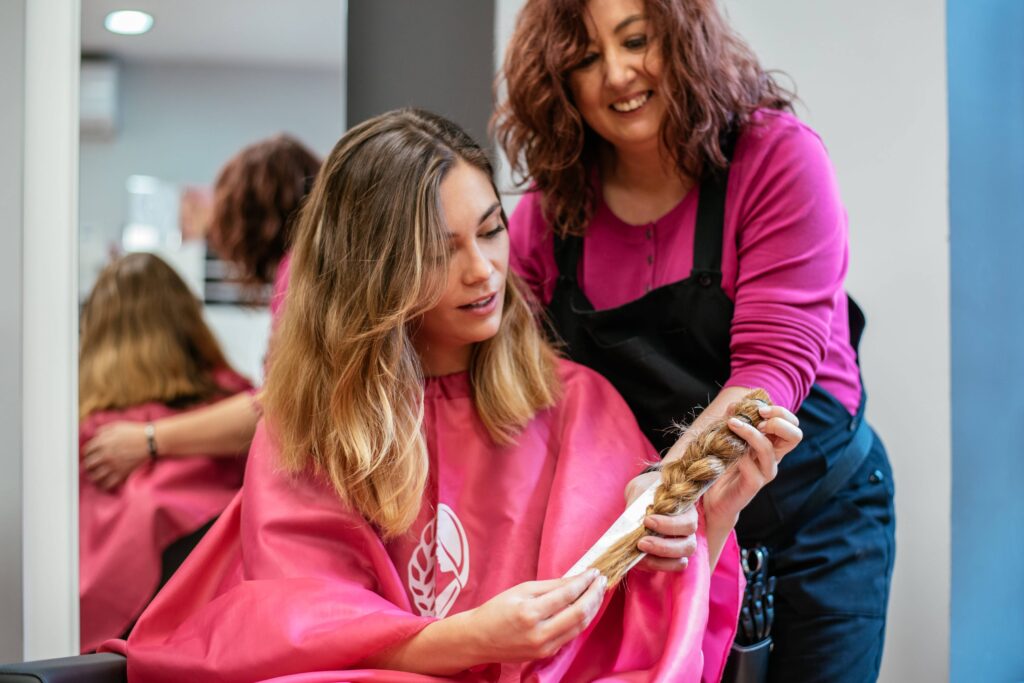
Industry professionals emphasise that successful balayage and highlights in 2025 require understanding hair’s unique characteristics and growth patterns. According to NewBeauty’s analysis, colourists are increasingly focused on customised placement strategies that account for natural hair movement and texture.
The shift towards sun-kissed balayage techniques reflects a broader movement in professional hair colouring. Rather than following predetermined formulas, expert colourists now assess each client’s bone structure, skin undertones, and lifestyle before determining colour placement. Top balayage trends for 2025 highlight that this personalised approach creates dimension that appears genuinely natural rather than obviously dyed.
What sets contemporary techniques apart is the integration of multiple methods within a single session. Professional colourists combine traditional balayage with strategic foil highlights where needed, particularly around the face or crown. This hybrid approach ensures optimal lift whilst maintaining the soft, blended effect clients seek. The key distinction lies in strategic colour placement that enhances individual features rather than following generic patterns.
Challenges and Considerations
While balayage and highlights offer stunning transformations, several practical considerations can impact results. One common challenge involves achieving the desired warmth without unintended brassiness—particularly relevant for those seeking trending caramel balayage tones. According to The Lauren Ashtyn Collection, maintaining these warm tones requires specialised toning treatments every 4-6 weeks to preserve colour vibrancy.
Maintenance costs often surprise clients new to dimensional colouring. The freehand application that creates natural-looking dimension typically ranges higher than traditional foiling techniques, though growth appears more gradual. For highly porous or previously damaged hair, colour uptake varies unpredictably across different sections, sometimes necessitating additional sessions to achieve uniformity.
Realistic timing expectations prove crucial—achieving lighter tones on dark virgin hair may require multiple appointments spaced 8-12 weeks apart to protect hair integrity. However, this gradual approach ultimately delivers healthier, more sustainable results than aggressive single-process lightening.
Example Scenarios Of Trendy Looks
Example scenario: A brunette client seeking a natural summer transformation might request sun-kissed highlights concentrated around the hairline and mid-lengths, creating dimension that mimics Mediterranean beach holidays. This approach typically involves honey and caramel tones painted through a balayage technique, leaving roots intentionally darker for seamless regrowth.
Another practical pattern involves ash-blonde clients incorporating babylights with ribbons of champagne through the crown. According to NewBeauty, this combination creates multidimensional depth whilst maintaining an airy, lightweight finish. The placement focuses on areas where natural sunlight would be caught—face-framing sections and surface layers—producing a lifted, youthful effect.
Final Thoughts
Balayage and highlights in 2025 are all about soft, natural-looking colour and personalised results that suit each individual’s hair, skin tone, and lifestyle. Many people are choosing low-maintenance shades that grow out beautifully while keeping hair healthy and vibrant. At Eco Hair Studio in Perth, expert stylists create customised balayage and highlight looks using high-quality, gentle products to help you achieve a fresh, modern hair colour with a natural finish.
🚀 Ready to Visit the Best Eco-Friendly Hair Salon in Perth?
Book Your Appointment Today and join the growing community of clients who care about their hair and the planet. Your sustainable hair journey starts here!