Key Takeaways
Choosing between balayage and traditional highlights isn’t about following trends—it’s about matching technique to your hair’s specific needs and lifestyle. Balayage delivers a sun-kissed, low-maintenance finish through hand-painted colour that grows out naturally, whilst foil highlights create more dramatic dimension with precise, structured lightening. The key distinction is in how the colour is applied. Balayage artists use a freehand technique, applying colour directly to selected sections of hair. Highlights, on the other hand, involve foils to separate strands for a more consistent lift. Maintenance schedules differ quite a bit. Balayage usually needs a touch-up every 3 to 4 months, whereas highlights require a refresh every 6 to 8 weeks. Your hair type also plays a big role. Fine hair often looks great with strategically placed highlights, while thicker hair can really show off the subtle transitions of balayage. Budgeting is another factor to consider. It’s not just about the initial appointment cost.
Introduction
The key distinction is in how the colour is applied. Balayage artists use a freehand technique, painting the colour directly onto chosen sections of Hair Colour. Highlights, on the other hand, involve foils to separate strands for a more consistent lift. Maintenance schedules differ quite a bit. Balayage usually needs a touch-up every 3 to 4 months, whereas highlights require a refresh every 6 to 8 weeks. Your Hair Colour type also plays a big role. Fine hair often looks great with strategically placed highlights, while thicker Hair Colour can really show off the subtle transitions of balayage. Budgeting is another factor to consider. It’s not just about the initial appointment cost. Because balayage sessions are spaced out more, they can be more cost-effective for many clients in the long run, even though the initial price tag averages between £150 and £300.
This distinction matters more than aesthetics alone. The technique you choose influences everything from maintenance schedules to scalp health, with balayage typically requiring fewer touch-ups and offering gentler application methods. What typically happens is clients focus solely on the result without considering how each method aligns with their hair’s texture, growth patterns, and colour goals.
What Is Balayage?
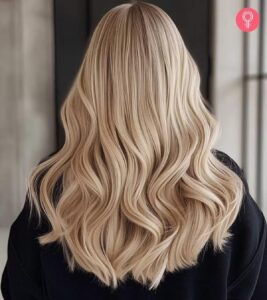
Balayage is a French term meaning “to sweep” or “to paint”—which perfectly describes the freehand technique colourists use to create seamless, natural-looking dimension.
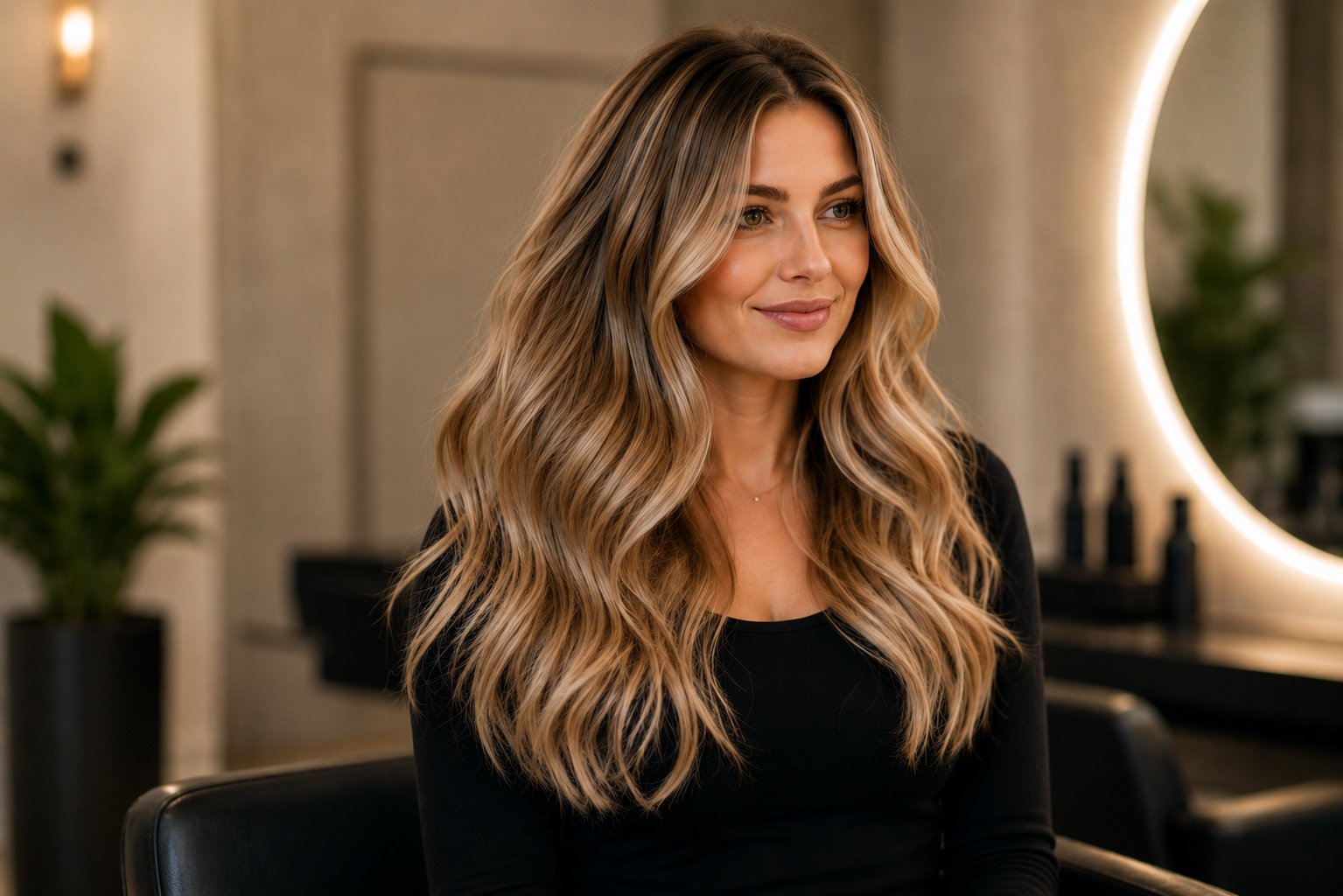
Unlike traditional foil highlights that follow uniform sectioning patterns, balayage involves hand-painting lightener directly onto selected strands in a sweeping motion, and creating a look that mimics how the sun would naturally lighten Hair Colour.
The technique originated in 1970s Paris but gained mainstream popularity in the mid-2010s, largely because it delivers customisable results that grow out gracefully.
According to Redken’s technical guide, balayage placement focuses on the hair’s surface rather than saturating entire sections, creating depth whilst maintaining a lived-in aesthetic. This selective application means fewer chemicals are used compared to traditional foiling methods.
What makes balayage particularly versatile is its adaptability to different Hair Colour textures and lengths. Colourists can adjust the placement—keeping colour away from roots or concentrating it through mid-lengths and ends—to suit individual features and maintenance preferences.
The result is a softer, more diffused colour that typically requires touch-ups every 3-4 months rather than the 6-8 week cycle traditional highlights often demand.
What Are Highlights?

Highlights represent the traditional approach to dimensional colour—a methodical technique where sections of Hair Colour are separated with foils or a cap, then lightened with bleach or colour. Unlike balayage’s freehand artistry, highlighting follows a systematic pattern, creating consistent, predictable lightness throughout the Hair Colour.
The foiling process isolates strands from the rest of your Hair Colour, allowing colourists to lift them several shades lighter without affecting surrounding sections. This precision makes highlights particularly effective for achieving dramatic contrast or that coveted sun-kissed look where lighter pieces catch the light uniformly.
Traditional highlights come in various widths—from chunky statement pieces that dominated the early 2000s to delicate babylights that mimic childhood lightness. The placement options are equally diverse: full-head highlights create all-over dimension, half-head focuses on the crown and face-framing areas, whilst strategic placement can enhance specific haircuts or facial features.
Highlights vs. Balayage: What’s The Difference?
The fundamental distinction lies in application technique and final result. Highlights follow a structured, foil-based method where Hair Colour sections are isolated and saturated with colour—creating uniform, defined contrast from root to tip. This systematic approach delivers predictable, repeatable results with dramatic dimension.
Balayage, conversely, employs freehand painting that mimics how the sun naturally lightens hair. The colourist sweeps bleach onto surface layers with varying pressure and placement, concentrating lighter tones around the face and through mid-lengths whilst leaving roots deeper. This creates softer transitions that blend seamlessly with your natural hair colour—particularly effective for maintaining dimension between appointments.
According to Redken’s technical analysis, balayage produces “a sun-kissed, natural-looking hair colour” with less noticeable regrowth, whilst traditional highlights offer “a more structured, outlined look.” The placement density differs dramatically: highlights typically cover more surface area with consistent saturation, whereas balayage strategically places colour where light would naturally hit—making it the lower-maintenance choice for most lifestyles.

Who Is a Good Candidate For Highlights?
Highlights suit individuals seeking a dramatic transformation and uniform lightness throughout their hair. This technique works exceptionally well for those with naturally darker hair colours—particularly medium to dark browns—who want significant lift without multiple sessions. According to Madison Reed’s analysis, highlights deliver more consistent, predictable results when a substantial colour change is the goal.
The structured approach proves ideal for anyone who appreciates symmetrical, all-over colour rather than organic dimension. If you prefer a polished, uniform appearance with visible lightness from roots to ends, highlights deliver this precision reliably. Those with fine to medium Hair Colour textures particularly benefit, as traditional foiling techniques create fuller-looking results through strategic placement.
How To Maintain Highlights and Balayage
Maintenance requirements differ considerably between these two colouring methods. Highlights typically demand touch-ups every 6-8 weeks as regrowth becomes noticeable at the roots, creating a visible demarcation line. This frequent upkeep translates to higher long-term costs and more frequent salon visits. Balayage’s hand-painted application, conversely, grows out naturally without harsh lines, extending salon visits to 12-16 weeks.
Between appointments, both techniques benefit from colour-protecting shampoos and deep conditioning treatments. Purple-toned products neutralise brassiness in blonde tones, whilst heat protectants preserve colour integrity during styling. Those exploring professional colour services should discuss maintenance expectations beforehand to align budgets with lifestyle demands.
The Final Takeaway
Choosing between balayage and highlights ultimately depends on your desired aesthetic, maintenance commitment, and lifestyle preferences. Balayage delivers sun-kissed dimension with softer regrowth lines, making it ideal for those seeking a low-maintenance, natural look. Conversely, highlights provide uniform brightness, dramatic transformation, and are perfect for individuals wanting noticeable colour contrast throughout their hair.