🔑 Key Takeaways
- Australia’s harsh climate can quickly damage blonde hair through UV exposure, saltwater, chlorine, heat, and dry winds.
- Hydration is essential for keeping blonde hair soft, shiny, and resistant to breakage.
- Sulfate-free shampoos and purple shampoos help maintain color while preventing dryness and brassiness.
- UV protection sprays, hats, and leave-in conditioners are must-haves for outdoor hair protection.
- Reducing heat styling and using heat protectants can significantly improve hair strength and texture.
- Regular salon toning, trims, and bond-repair treatments help keep blonde hair healthy long term.
- Healthy lifestyle habits like proper nutrition and hydration also support stronger, brighter blonde hair from within.
Introduction:-
Australia’s climate can feel like paradise for beach lovers, but for blondes, it often feels like a never-ending battle against dryness, brassiness, and breakage. The intense UV exposure across many parts of the country can strip moisture from the hair cuticle faster than most people realize. Blonde hair, especially chemically lightened blonde, is naturally more vulnerable because the bleaching process weakens the hair structure before the climate even gets involved. Add heatwaves, coastal winds, saltwater, and chlorinated pools into the mix, and you have the perfect storm for damaged hair.
One of the biggest problems blondes face in Australia is fading tone. That cool, icy blonde you walked out of the salon with can quickly turn warm or yellow after repeated sun exposure. UV rays essentially oxidize the hair, changing the pigment and drying out the strands at the same time. This is why many Australians notice their blonde becoming dull only weeks after a fresh salon appointment. Hair can begin to feel rough, tangled, and brittle, almost like straw, if it is not properly protected.
The good news is that maintaining healthy blonde hair in Australia is completely possible with the right habits. Think of your hair like expensive silk fabric. You would never leave silk exposed to scorching heat and salty water every single day without protection. Blonde hair needs the same level of care and attention if you want it to stay soft, bright, and healthy all year round.
The Impact Of UV Rays On Blonde Tones
The Australian sun is famously strong, and while sunscreen is second nature for skin protection, many people forget that hair also suffers under constant UV exposure. Blonde hair is particularly sensitive because lighter shades reflect light differently and have less natural melanin protecting the strands. Melanin acts like a built-in shield, and once hair is bleached, much of that natural defense disappears.
This is why blondes often notice brassiness after spending long days outdoors. UV rays break down toner molecules and expose underlying warm pigments hidden in the hair. Ash blondes may suddenly appear golden, while platinum tones can become yellowish. This process happens gradually, making it easy to overlook until the color looks completely different from the original salon result.
UV protection sprays have become essential products for Australians with blonde hair. Many modern formulas now combine heat protection, hydration, and UV defense in one lightweight mist. Wearing hats is another simple but incredibly effective habit. Wide-brim hats or scarves act like physical armor for the hair, especially during summer beach trips or outdoor events.
The reality is simple: blonde hair and intense sun exposure are not natural partners. But with a little preparation and consistency, you can absolutely enjoy the Australian lifestyle without sacrificing the health and brightness of your blonde.
Choosing The Right Shampoo and Conditioner
One wrong shampoo can quietly ruin months of healthy blonde maintenance. Many supermarket shampoos contain sulfates and harsh cleansing agents that strip natural oils from the scalp and hair. For blonde hair, which is already vulnerable after bleaching, this can accelerate dryness, fading, and breakage. Choosing salon-quality, sulfate-free products is often the difference between silky blonde hair and brittle ends.
Purple shampoo has become one of the most talked-about products for blondes, and for good reason. These shampoos contain violet pigments that neutralize yellow and orange tones in the hair. Since purple sits opposite yellow on the color wheel, it helps cool down brassiness and restore brightness. The trick is not overusing it. Too much purple shampoo can leave hair feeling dry or even slightly lavender-toned. Most hairstylists recommend using it once or twice weekly rather than daily.
➡️ Here’s a simple comparison table for blonde hair products:
| Product Type | Main Benefit | Best Frequency |
|---|---|---|
| Sulfate-Free Shampoo | Gentle cleansing without stripping moisture | Every wash |
| Purple Shampoo | Neutralizes brassiness | 1–2 times weekly |
| Deep Conditioner | Repairs dryness and damage | Weekly |
| Leave-In Conditioner | Daily hydration and UV protection | Daily |
Consistency is where real results happen. Many people buy expensive products but use them randomly, expecting instant transformations. Healthy blonde hair is built through routines. Think of it like skincare—small habits, repeated consistently, create visible, long-term improvements.
Hydration Is The Secret To Strong Blonde Hair
If there is one universal rule for healthy blonde hair, it is this: hydration changes everything. Bleached hair naturally becomes more porous, which means it loses moisture faster than untreated hair. Australia’s hot temperatures and dry winds only make the problem worse. Without enough hydration, blonde hair starts to look dull, rough, and frizzy, no matter how expensive the color is.
Weekly hair masks can completely transform the condition of blonde hair over time. These treatments penetrate deeper into the hair shaft compared to regular conditioners, helping repair damage caused by bleaching and environmental stress. Masks containing coconut oil, keratin, amino acids, and bond-building ingredients are especially beneficial. Bond-repair technology has become increasingly popular because it works internally to reconnect weakened hair fibers instead of only coating the outside.
One common mistake people make is assuming oily scalps mean their hair is hydrated. Scalp oil and hair hydration are completely different things. Hair can still be extremely dry through the mid-lengths and ends, even if the roots become oily quickly. That is why focusing hydration mainly on the lengths and ends works best for most blondes.
Drinking enough water also plays a surprisingly important role. Hair health reflects overall body hydration more than many people realize. Dehydration often shows up first through dry skin and brittle hair. Healthy blonde hair is not just about products—it is also about supporting your body from within.
Heat Styling Without Ruining Your Blonde

Excessive heat styling is one of the fastest ways to damage blonde hair. Straighteners, curling wands, and blow dryers can slowly cook fragile blonde strands if used carelessly. Heat sucks moisture out of the hair cuticle, weakens protein bonds, and speeds up color fading. For hair that has already been lightened, this creates a cycle of dryness and breakage that becomes difficult to reverse. Heat protectant sprays are essential.
➡️ Protecting Blonde Hair Outdoors
Outdoor living is a huge part of Australian culture, but sun, wind, saltwater, and chlorine can be brutal for blonde hair. Beach days may feel relaxing, yet saltwater strips natural oils from the hair and leaves strands dehydrated. Chlorine in swimming pools can create even bigger issues, sometimes causing blonde hair to develop a greenish tint due to chemical reactions with minerals.
One of the smartest habits blondes can adopt is wetting their hair with fresh water before swimming. Hair acts like a sponge. In the same way people protect their skin, sunglasses, and phones from harsh conditions, blonde hair also benefits from preventative care.
Salon Maintenance For Long-Lasting Blonde Hair
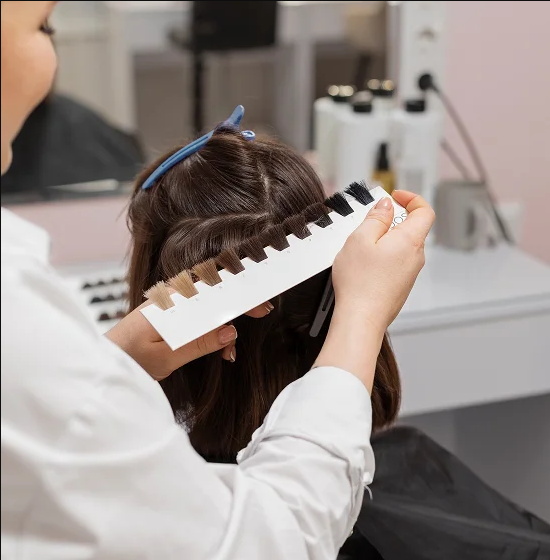
Regular salon maintenance is one of the biggest secrets behind consistently beautiful blonde hair. Many people focus heavily on color appointments while ignoring treatments and trims, but maintaining hair health requires both. Small, regular appointments often work better than waiting until damage becomes severe.
Regular trims prevent split ends from traveling upward through the hair shaft. Waiting too long between trims often leads to thinner-looking ends and more breakage overall. Healthy blonde hair typically looks fuller, shinier, and smoother because the damaged ends are consistently removed before they worsen.
A good hairstylist also helps customize routines based on your exact blonde shade, texture, and climate exposure. No single routine works for everyone. Platinum blondes, balayage blondes, and honey blondes all have slightly different maintenance needs, especially under Australia’s challenging climate conditions.
Conclusion
Maintaining healthy blonde hair in the tough Australian climate requires more than a simple hair care routine. The relentless sun, salty ocean breezes, saltwater, chlorine, and heat styling can make blonde hair dry, brittle, and lackluster if not adequately shielded. Blonde hair is more vulnerable to damage, so it needs additional hydration, gentle products, and regular maintenance to keep it soft, shiny, and strong throughout the year.
FAQs
1. How Many Times Should Blonde Hair Be Washed Each Week?
Blonde hair is usually best washed two to three times weekly to maintain moisture and reduce color fading.
2. Can Sunlight Make Blonde Hair Turn Brassy?
Yes, strong UV exposure can fade toner and reveal warm yellow or orange tones in blonde hair.
3. Should Purple Shampoo Be Used Every Day?
No, purple shampoo is generally recommended once or twice a week because overuse may dry out the hair.
4. How Can Blonde Hair Be Protected While Swimming?
Rinsing hair with fresh water before swimming, applying leave-in conditioner, and wearing a hat can help reduce damage from chlorine and saltwater.
5. Do Professional Salon Treatments Help Damaged Blonde Hair?
Yes, salon treatments such as bond-repair therapies and deep hydration masks can strengthen blonde hair and improve overall softness and shine.